Jump to HeaderJump to Main ContentJump to Footer
Michigan State University
Department of Human Development and Family Studies
  • Apply
  • Advising
  • Directory
  • Give

College of Social Sciences

Department of Human Development and Family Studies

  • About
    • Overview
    • Directory
  • |
  • Academics
    • Overview
    • Graduate
    • Undergraduate
    • Advising
  • |
  • Research
    • Overview
    • Child Development Laboratories
    • Laboratories
  • |
  • Outreach
    • Overview
    • Child Development Laboratory
    • Couple & Family Therapy Clinic
  • |
  • Alumni
    • Overview
    • Giving
  • |
  • News & Events
  • |
  • Contact
Department of Human Development and Family Studies

College of Social Sciences

  • About
  • Academics
  • Research
  • Outreach
  • Alumni
  • News & Events
  • Contact

< About

  • Overview
  • Directory

< Academics

  • Overview
  • Graduate
  • Undergraduate
  • Advising

< Research

  • Overview
  • Child Development Laboratories
  • Laboratories

< Outreach

  • Overview
  • Child Development Laboratory
  • Couple & Family Therapy Clinic

< Alumni

  • Overview
  • Giving

< News & Events

< Contact

  • Apply
  • Advising
  • Directory
  • Give

Research in Autism and Developmental Disabilities

Department of Human Development and Family Studies > Research > Laboratories >

RADD Lab

Welcome to the RADD Lab!

Started in 2014, the RADD Lab is a research lab at Michigan State University that is dedicated to issues related to autism spectrum disorders and other developmental disabilities. RADD stands for - Research in Autism and Developmental Disabilities. The lab is directed by Sarah N. Douglas, PhD – and Associate Professor in Human Family Studies Department. Our work within the RADD lab focused on supporting children with disabilities, their family members, and their educational teams. 

The RADD lab includes research faculty, graduate students, and undergraduate research assistants who support our work. We have conducted projects related to family functioning and support, peer relationships, children’s communication and functioning, paraeducator supports in schools, and professional development for educators. Our work is primarily within applied settings such community settings, classrooms, and the homes of families. Lab members are focused on publishing and presenting their work in academic, practitioner, and media platforms. With all of our projects we strive to conduct research that is applied, useful, and directly impacts the lives of children with disabilities.

Find the RADD lab at:

406 Human Ecology
552 W. Circle Dr., East Lansing MI 48824

(517)432-3328
raddlabmsu@gmail.com

Follow us on Facebook

Michigan State University

About

  • Message from the Chair
  • Directory

Academics

  • Graduate
  • Undergraduate

Research

  • Laboratories

Outreach

  • Child Development Lab
  • Couple and Family Therapy Clinic

Alumni

  • Giving

Contact HDFS Office

517-355-7680

Contact Child Development Laboratories

517-339-6045

Contact Couple & Family Therapy Clinic

517-432-2272

Address

Michigan State University Human Ecology Building 552 W Circle Dr East Lansing, MI 48824

Releases and Statements

Follow Us

  • Visit our Facebook page
  • Visit our page on X
  • Visit our Instagram page
  • Visit our LinkedIn page
  • Visit our YouTube page

If you're having accessibility issues, please let us know.

Know More: Campus Safety Information and ResourcesTransparency Reporting: Budget & Salary/Compensation
Michigan State University
  • Contact Information|
  • Site Map|
  • Privacy Statement|
  • Site Accessibility|
  • Call MSU: (517) 355-1855|
  • Visit: msu.edu|
  • Notice of Nondiscrimination|

SPARTANS WILL|© Michigan State University|

Lab Projects

Current Projects

The Development and Testing of a Professional Development Intervention to Support Family Member use of Augmentative and Alternative Communication 

Project Funding: Institute of Education Sciences 

PI: Dr. Sarah Douglas 

Summary: This project includes the creation, evaluation, and revision of a professional development for Speech Language Pathologists and an online training program for family members to support the implementation of aided language modeling with children who use augmentative and alternative communication (AAC). 

**Now recruiting for this project** 

A Data-driven Classroom Intervention Framework for Children with Social Peer Engagement Deficits 

Project Funding: National Science Foundation 

Co-PI: Dr. Sarah Douglas 

Summary: This project includes the creation, testing, and refinement of a sensor tool to support teacher instructional decision making for preschool aged children with peer engagement challenges.  

Paraeducator Utilization in Kindergarten 

Project Funding: TUBITAK (The Scientific and Technological Research Council of Turkey) 

PI: Visiting Scholar: Serife Demirdagli, PhD, Bursa Uludag University, advised by Dr. Sarah Douglas 

Summary: This study utilizes a case study approach to detail the use of paraeducators in kindergarten classrooms. We explore the utilization of paraeducators from the perspectives of administrators, teachers, paraeducators, and other team members.  

Current Graduate Student Projects 

Understanding Caregiving Stress and Enhancing Coping Among Parents of Children with Developmental Disabilities 

Student: Chandani Bhandari 

Summary: This dissertation explores the caregiving experiences of parents of children with developmental disabilities and the role stress and coping play in those experiences. The feasibility of a mindfulness intervention is also explored to understand its impact on reducing stress and supporting coping for parents of children with developmental disabilities.  

Cross-cultural adaptation of the Ages and Stages Questionnaire for use in Ghana 

Student: Prince Owusu 

Summary: This dissertation focuses on the process of cross-cultural adaptation of the Ages and Stages Questionnaire in Ghana. The study includes interviews, focus groups, and testing of the adaptated version of the Ages and Stages Questionnaire in Ghana.   

Exploring Barriers and Practices Related to Augmentative and Alternative Communication (AAC) in Pakistan 

Student: Ayesha Rehman 

Summary: This qualitative thesis explores the experiences, practices, and barriers related to augmentative and alternative communication implementation in Pakistan.  

Recent Past Projects 

Online Training for Paraeducators to Improve Communication Supports for Young Children with Complex Communication Needs  

Project Funding: Institute of Education Science 

This project includes the creation, evaluation, and revision of an online training program for paraeducators and their supervising special education teachers to support the communication of young children with complex communication needs (CCN). 

Cultural Considerations in Caregiver Implemented Naturalistic Developmental Behavioral Interventions: A Scoping Review 

This study explored the cultural relevance and adaptations of previously published NDBIs. Findings showed that few NDBIs had been explored with diverse groups and cultural adaptations were also limited, but were present in two of the reviewed NDBIs. 

A Partnership to Support Practitioners and Researchers in Developing and Carrying out Culturally Competent Interventions for Children and Families with Disabilities 

Project Funding: MSU Alliance for African Partnership 

This project included development of a mechanism to connect researchers, professionals, and graduate students who are interested in carrying out culturally relevant interventions for children and families with disabilities. 

Friendship Experiences of Children with Neurodevelopmental Disabilities and their Peers 

This project utilized a qualitative meta-synthesis approach to summarize the literature and understand the friendship experiences of children with neurodevelopmental disabilities and their peers. Definitions of friendship, experiences, barriers, facilitators, and benefits were discussed. 

Review of AAC Research in Educational Settings  

This project utilized a scoping review approach to summarize the AAC research literature and understand the settings in which this research takes place. The specific focus of interventions, target populations, and setting locations were discussed. Recommendations for practice and future research were provided 

A Telepractice Approach to Support Family Members in Implementing Aided Language Modeling 

Project Funding: Faculty Initiative Funding (MSU Internal) 

Single case research design was used to test the impact of a telepractice training for family members to support aided language modeling (ALM). The project included two families with parents, siblings, and extended family members. Findings showed an increase in high fidelity AAC modeling, and rate of AAC modeling for family members as well as an increase in independent communication turns for the child who uses AAC. 

People

Faculty and Graduate Students in the RADD Lab

Sarah N. Douglas, Associate Professor and RADD Lab Director

Fun fact: Sarah won a crawling contest as an infant! 

Headshot of Sarah Douglas.


Sarah Dunkel-Jackson, Research Faculty and POWR Project Manager

Fun fact: Sarah loves coaching and playing sports. She played for the State Championship Bath Bees softball team, played lacrosse in college, and now coaches baseball, softball, and basketball for youth with and without disabilities. 

 Headshot of Sarah Dunkel-Jackson.


Dr. Patricia West, College of Nursing

Fun fact: Patty's favorite candy is Swedish fish! 

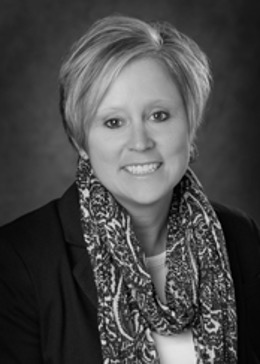
Headshot of Patricia West


Dr. Atikah Bagawan, Research Assistant on the POWR Project

Fun fact: Atikah loves extreme sports! 

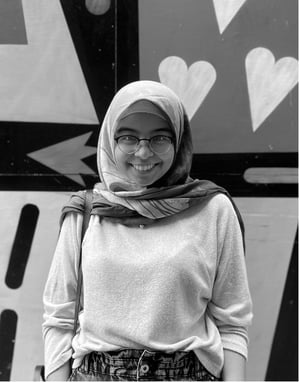
Headshot of Atikah Bagawan.


Dr. Şerife Demirdağlı, Visiting Scholar from Turkey

Fun fact: Şerife loves solving challenging puzzles and knitting! 

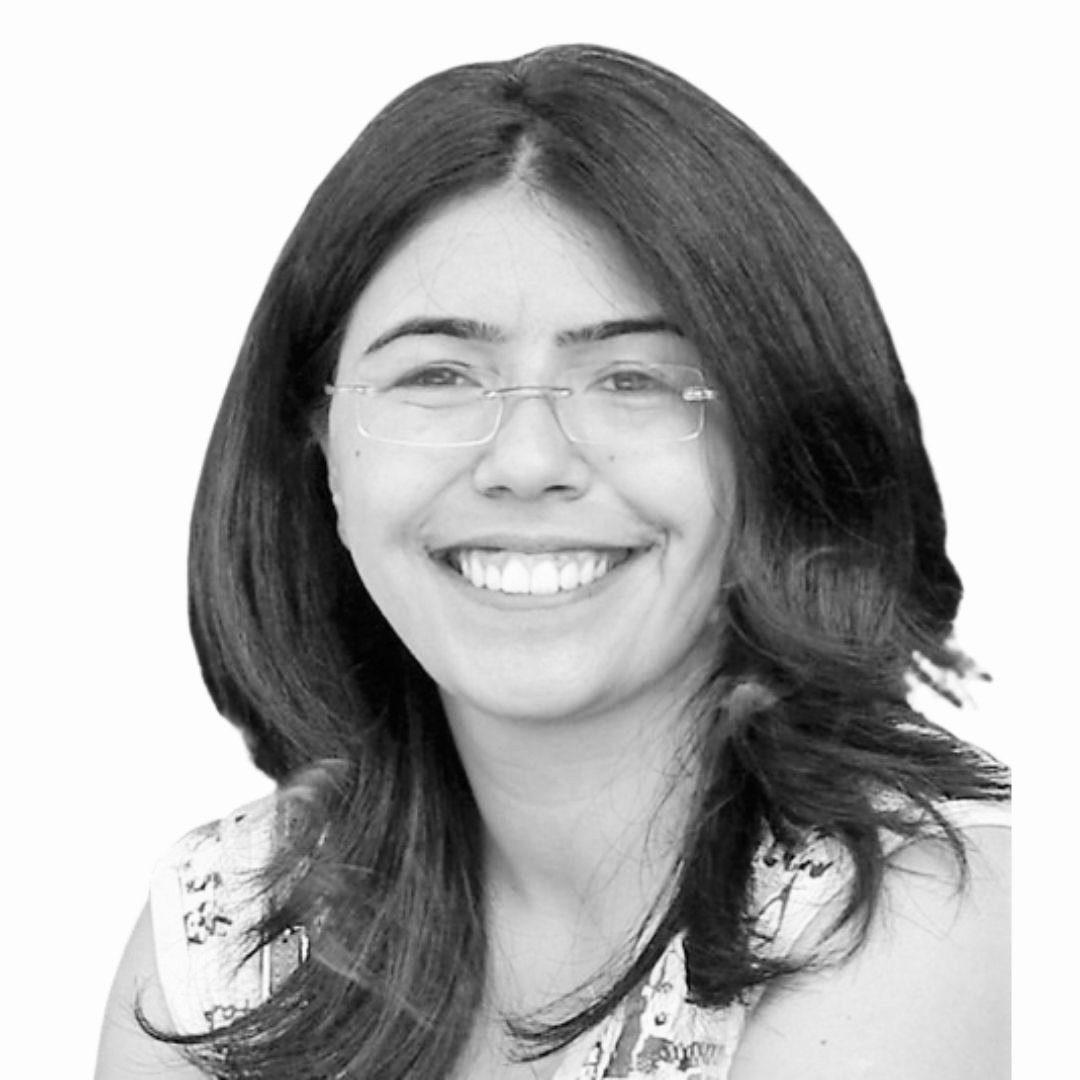
Headshot of Şerife Demirdağlı.


Zhenzhen Zhang, Visiting Scholar from China

Zhenzhen is finishing up her doctoral dissertation!

Headshot of Zhenzhen Zhang


Emily Jensen, Doctoral Candidate in Child Development and Lab Manager

Fun fact: Emily has lived in Michigan her entire life! 

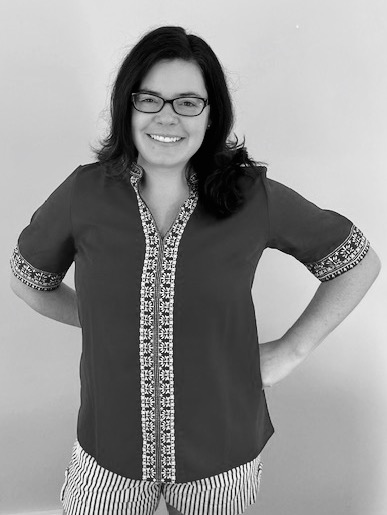
Headshot of Emily Jensen.


Prince Owusu, Doctoral Student in Child Development

Fun fact: Prince loves board games! 

Headshot of Prince Owusu.


Chandani Bhandari, Doctoral Candidate in Child Development

Fun fact: Chandani's name means "moonlight" in Hindi!

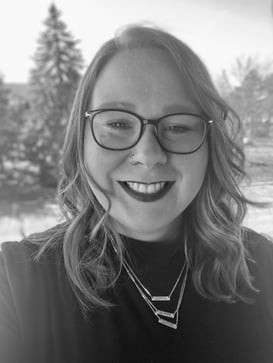
Headshot of Chandani Bhandari.


Sarah Khan, Medical Student

Fun fact: Sarah can solve a rubric's cube! 

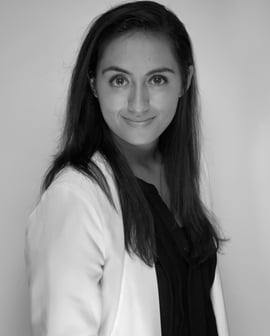
Headshot of Sarah Khan


Marisol Mora, Master's Student in Child Development

Fun Fact: Marisol's favorite thing about MSU is how beautiful the campus is, especially during the fall time when all the leaves are changing. 

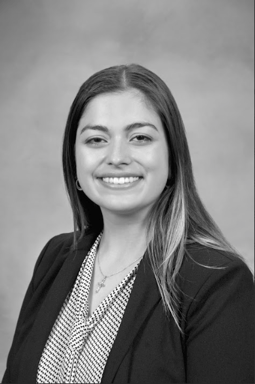
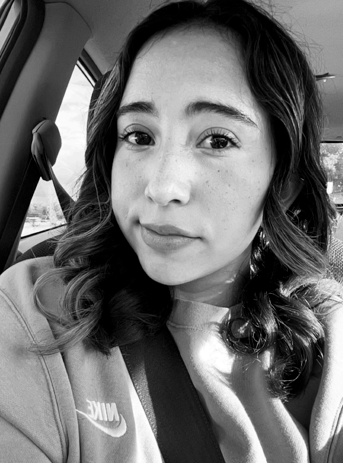
Headshot of Marisol Mora


Ayesha Rehman, Master's Student in Child Development

Fun fact: Ayesha is a great cook and loves to make burgers for her family and friends! 

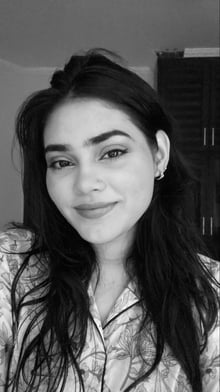
Headshot of Ayesha Rehman


Undergraduate Students

Joseph Kesto, Senior, Neuroscience and Public Health

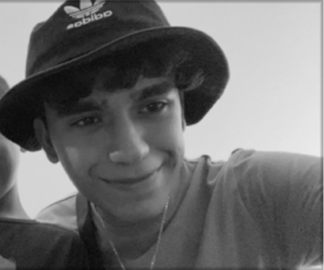
Fun fact: Joseph is obsessed with concerts and touched Lil Nas X at his most recent show! 

Headshot of Joseph Kesto


Saishreya Kankanalapalli, Senior, Human Biology

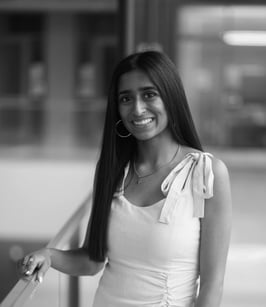
Fun fact: Shreya has been dancing since she was six years old! 

Headshot of Saishreya Kankanalapalli


Casey Reed, Senior, HDFS and Psychology 

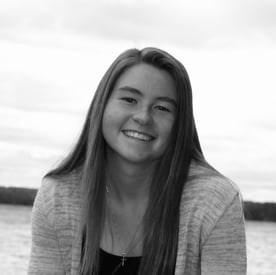
Fun fact: Casey grew up running triathlons with her dad! 

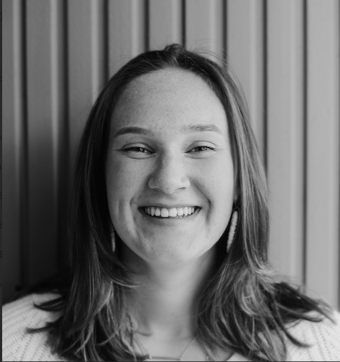
Headshot of Casey Reed


Liz Mallory, Senior, Psychology

Fun fact: Liz twirled baton competitively from age 5 to age 17! 

Headshot of Liz Mallory


Emma Riedel, Senior, Communication Sciences and Disorders

Fun fact: Emma is a huge fan of the Buffalo Bills. 

Headshot of Emma Riedel


Yumi Yuag, Senior HDFS

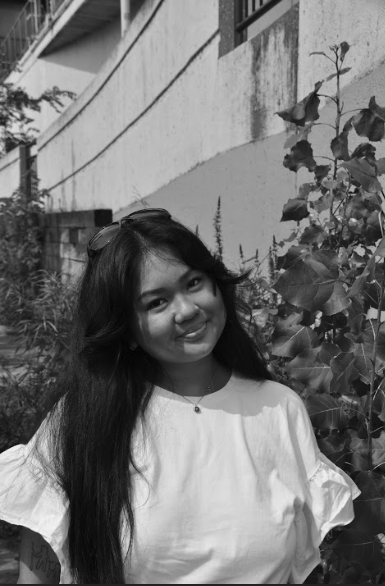
Fun fact: Yumi loves cotton candy ice cream! 

Headshot of Yumi Yuag


Haley Doss, Senior, Human Biology

Fun fact: Haley loves to attend sporting events at MSU! 

Headshot of Haley Doss.


PJ Pfeiffer, Senior, Psychology and Journalism

Fun fact: PJ has been on television twice! 

Headshot of PJ Pfeiffer


Zainab Alsalihi, Senior, HDFS 

Fun fact: Zainab loves how inclusive MSU is! 

Headshot of Zainab Alsalihi.


Dominique Smith, Senior, Psychology

Fun fact: Dominique collects unique antiques! 

Headshot of Dominique Smith


Shreshta Sinha, Junior, Neuroscience

Fun fact: Shreshta wants to start a biotech therapy company! 

Headshot of Shreshta Sinha


Dre'Ana O'Neal, Junior, Psychology

Fun fact: Dre'Ana's favorite activities include playing piano, drawing, and reading. 

Headshot of Dre'Ana O'Neal.


Alekya Vudathu, Junior, Human Biology

Fun Fact: Alekya has been performing in dance showcases since she was three! 

Headshot of Alekya Vudathu


Latrell Massey, Junior, Human Biology Pre-Med

Fun fact: Latrell loves the beautiful scenery at MSU.

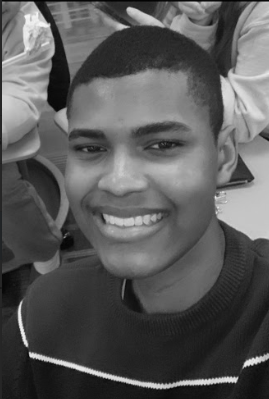
Headshot of Latrell Massey


Sindhu Marthi, Junior, Neuroscience and Spanish

Fun fact: Sindhu loves to plan trips, even if they never happen! 

Headshot of Sindhu Marthi.


Emily Stephenson, Junior, Child Development

Fun fact: Emily loves the atmosphere of MSU, especially in the fall. 

Headshot of Emily Stephenson


Abby McCarty, Junior, Special Education, Elementary Education, minor in Dance

Fun fact: Abby choreographs musicals for MSU Department of Theater! 

Headshot of Abby McCarty


Alina Acosta, Junior, Psychology

Fun fact: Alina speaks English, French, and Spanish, and is currently learning Arabic! 

Headshot of Alina Acosta


Charlize Haworth, Junior, Psychology and Neuroscience

Fun fact: Charlize loves to paddle board! 

Headshot of Charlize Haworth


Isabel Stoller, Junior, Psychology

Fun fact: Isabel once spent 36 hours in airports to save $400 on a flight to Amsterdam and Poland!

Headshot of Isabel Stoller


Madison Moy, Junior, Psychology

Fun fact: Madison wants to pursue a PhD in psychology, hoping to become a cognitive behavioral therapist.

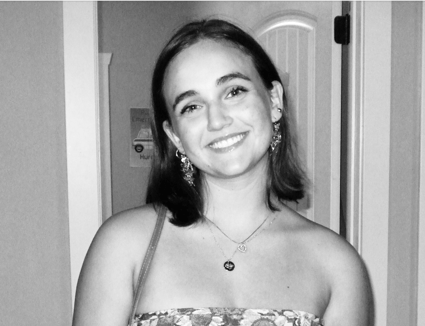
Headshot of Madison Moy


Audrey Greene, Junior, Psychology

Fun fact: Audrey has walked across a volcano! 

Headshot of Audrey Greene.


Ava Taylor, Sophomore, Neuroscience

Fun fact: Ava loves the diverse learning community at MSU! 

Headshot of Ava Taylor


Neha Menon, Sophomore, Human Biology

Fun fact: If Neha were an animal, she would be a monkey because they're so carefree! 

Headshot of Neha Menon


Caitlin Reed, Sophomore, Psychology and Criminal Justice

Fun fact: Caitlin has been riding horses since she was 5 and now teaches riding lessons to kids! 

Headshot of Caitlin Reed


Kaitlynn Nguyen, Sophomore, Neuroscience with a minor in pharmacology & toxicology

Fun fact: Kaitlynn has double jointed elbows! 

Headshot of Kaitlynn Nguyen


Audrey Dimiceli, Sophmore, Psychology

Fun fact: Audrey did gymnastics for 12 years! 

Headshot of Audrey Dimiceli.


Abby France, Freshman, Criminal Justice

Fun fact: When Abby was in third grade, she was an extra in a movie! 

Headshot of Abby France.


Alyssa Hein, Freshman, Human Biology

Fun fact: Alyssa's favorite thing about MSU is the beautiful, walkable campus! 

Headshot of Alyssa Hein.


Publications

Jensen, E., Douglas, S. N., & Strong, J.* (accept with minor revisions). “I Keep going till I get what she needs”: A mixed-methods study investigating the educational experiences of caregivers of children with medical complexity. Research and Practice for Persons with Severe Disabilities.  

Bhandari, C.*, & Douglas, S. N. (accept with minor revisions). Cultural responsiveness approach to collaboration with Indian-Asian American families of children with extensive support needs. Inclusive Practices.  

Sobeck, E., Tapp, M., Walker, V., Douglas, S. N., Reilly, A.* (accept with minor revisions). “I’m out of ideas”: A mixed-methods study of paraeducators’ experiences supporting students’ behavioral needs. Journal of Special Education.  

Rehman, A.*, & Douglas, S. N. (in press). Facilitating development during pretend play for children with autism spectrum disorder. https://doi.org/Young Exceptional Children https://doi.org/10.1177/10962506251413347/  

Douglas, S. N., Bhandari, C.*, Pfieffer, P. J.*, & Biswas, S. (2026). “You can’t always see what’s going on”: Educator perceptions of child social engagement. Early Childhood Education Journal. http://doi.org/10.1007/s10643-026-02111-0  

Bhandari, C., Douglas, S. N., Jensen, E., & West, P. (2025). Emotions, stress, and coping for caregivers of individuals with down syndrome: A meta-synthesis of qualitative research. Review Journal of Autism and Developmental Disorders. https://doi.org/10.1007/s40489-025-00534-whttps://doi.org/10.1007/s40489-024-00436-3https://doi.org/10.1007/s40489-024-00436-3 

Douglas, S. N., Walker, V., & Bonnet, L. (in press). Perceptions and recommendations of speech language pathologists who support students who use AAC in general education settings. Research in Special Education.  

West, P.*, Robbins, L., Douglas, S. N., Given, C., DeCicco, B., Pathak, D., & Wyatt, G. (2025). Family functioning among adolescents with developmental disabilities utilizing augmentative and alternative communication. Disability and Rehabilitation: Assistive Technology. https://doi.org/10.1080/17483107.2025.2516623  

Walker, V., Douglas S. N., Reilly, A.*, Tapp, M., & Sobeck, E. (2025). Paraeducator training to support students’ behavioral needs: Administrator, teacher, and paraeducator perspectives. Journal of Positive Behavior Interventions. https://doi.org/10.1177/10983007251335987 

Jensen, E. J.*, Douglas, S. N., Khan, S.*, Bullock, K.* (2025). “She’s going to write her own story”: A mixed-methods study exploring caregivers’ experiences with their children with medical complexities. Journal of Pediatric Nursing, 82(2025), 1-10. https://doi.org/10.1016/j.pedn.2025.01.025  

Andary, J.*, Nyland, M.,* Lorang, E., Douglas, S. N., & Venker, C. (2025). How parents of children in early intervention feel about simplified language input. American Journal of Speech Language Pathology, 34(3), 1390-1397. 

https://doi.org/10.1044/2024_AJSLP-24-00380 

Douglas, S. N., Dunkel-Jackson, S., Bowles, R., Plavnick, J., Sun, T.*, & Bagawan, A.* (2024). POWR+ intervention results: An online communication partner training program for educational teams. Communication Disorders Quarterly, 47(2), 67-78. https://doi.org/10.1177/15257401241303160   

Eddie, A.*, Vallotton, C., Douglas, S., N., & Brophy-Herb, H. (in press). The I can/you can framework for ethnic-racial socialization in infancy and toddlerhood. Young Children, 80(4), 84-94.  

Douglas, S. N., & Josol, C.* (2025). Friendship experiences of children with neurodevelopmental disabilities and their peers: A meta-synthesis. Focus on Autism and Other Developmental Disabilities, 40(4), 189-199. 

https://doi.org/10.1177/10883576251349208  

Snodgrass, M. R., Douglas, S. N., Walker, V. L., & Chung, Y.-C. (2024). Instructional decision-making of professionals who support children who use AAC. Topics in Early Childhood Special Education, 44(1), 20-32. https://doi.org/10.1177/02711214241237424  

Douglas, S. N., Dada, S., Tonsing, K., Samuels, A., & Owusu, P.* (2024). Cultural considerations in caregiver-implemented naturalistic developmental behavioral interventions: A scoping review. Review Journal of Autism and Developmental Disorders. https://doi.org/10.1007/s40489-024-00436-3   

Douglas, S. N., Bowles, R., Plavnick, J., Dunkel-Jackson, S., Sun, T.*, Bagawan, A.* (2024). An online communication partner training program: POWR+ intervention results for teachers, paraeducators, and children. Rural Special Education Quarterly, 43(2), 78-90. https://doi.org/10.1177/87568705241231599  

Douglas, S. N., Shi, Y.*, Das, S.*, & Biswas, S. (2024). Validation of wearable sensor technology to understand social interactions of young children. Early Childhood Research Quarterly, 67, 343-351. https://doi.org/10.1177/10883576211028223  

Bagawan, A.*, Douglas, S. N., & Dunkel-Jackson, S. (2024). Indonesian caregivers’ perspectives of the use of AAC for children with autism spectrum disorder. Journal of International Special Needs Education, 27(1), 12-22.  

Davila, A. L.*, Douglas, S. N., Skibbe, L. (2023). Remote coaching conversations for infant and toddler teachers. Young Children, 78(4), 48-55.  

Ingersoll, B., Douglas, S. N., Brodhead, M., Barber, L, Kaczmarek, L. (2024). Interdisciplinary competencies for implementing NDBIs with young children with ASD. Journal of Early Intervention, 42(2), 138-154. https://doi.org/10.1177/10538151231218928   

D’Agostino, S., Dueñas, A., Douglas, S. N., & Meadan, H. (2023). Exploring perceptions and use of compassionate care with early interventionists and caregivers: A mixed methods investigation. Behavior Analysis in Practice. https://doi.org/10.1007/s40617-023-00831-y  

Chopra, R. V., Yates, P. A., Douglas, S. N., Morano, S., Sobeck, E. E., & Hepworth, W. K. (2024). Paraeducators’ journey to teacher licensure: Critical supports and challenges. The Teacher Educator, 59(1), 84-102. http://doi.org/10.1080/08878730.2023.2219249   

Douglas, S. N., Bowles, R., Plavnick, J., Sun, T.*, Dunkel-Jackson, S., & Bagawan, A.* (2024). Iterative pilot testing of the POWR intervention: Online training to support paraeducator implementation of augmentative and alternative communication strategies. Journal of Special Education Technology, 39(1), 79-93. https://doi.org/10.1177/01626434231180591  

Dunkel-Jackson, S., Jensen, E., Bagawan, A., & Douglas, S. N. (2023). Baseball is for everyone! Evaluation of an inclusive, community-based, baseball challenge league pilot program. DADD Online Journal. 

West, P.*, Jensen, E. J.*, Douglas, S.N., Wyatt, G., Robbins, L., & Given, C. (2023). Perceptions of families with adolescents utilizing augmentative and alternative communication technology: A qualitative approach. Journal of Pediatric Nursing, 71, e46-e56. https://doi.org/10.1016/j.pedn.2023.04.014  

Kammes, R.*, Douglas, S. N., & Black, R. (2023). Parental role in intimate relationship: Comparing adults with and without intellectual disabilities. Journal of Intellectual and Developmental Disability, 48(4), 397-408.https://doi.org/10.3109/13668250.2023.2198344  

Douglas, S. N., Bagawan, A., & West, P. (2023). A theory-generating qualitative meta-synthesis to understand the experiences of siblings of individuals with autism spectrum disorders. Review Journal of Autism and Developmental Disorders. https://doi.org/10.1007/s40489-023-00360-y  

Sun, T.*, Bowles, R., & Douglas, S. N. (2023). Chinese-English speaking family perspectives of augmentative and alternative communication use with their children. Journal of Communication Disorders, 102, 106315.https://doi.org/10.1016/j.jcomdis.2023.106315 

Jensen, E.*, Gerde, H., & Douglas, S. N. (2023). Dispelling myths surrounding AAC use for young children: Recommendations for professionals. Inclusive Practices, 2(1), 30-36.https://doi.org/10.1177/273247452211443 

Sun, T.*, Bowles, R., Douglas, S. N., Plavnick, J. (2023). Response time of young children with complex communication needs following a communication opportunity. Exceptional Children, 90(1), 27-42. https://doi.org/10.1177/00144029221146574 

D’Agostino, S., Douglas, S. N., & Meadan, H. (2023). Compassionate care within early intervention caregiver coaching: “They won’t care what you know until they know you care.” Infants and Young Children, 36(2), 147-163.https://doi.org/10.1097/IYC.0000000000000238 

Lu, Y.*, Erickson, K., Sun, T.*, Douglas, S. N., & Hauck, J. (2023). Insights of caregivers and neurotypical siblings on sibling-guided motor interventions for children with autism spectrum disorder. Education and Training in Autism and Developmental Disabilities, 58 (3), 269-282. 

Douglas, S. N., Meadan, H., Biggs, E., Bagawan, A.,* & Terol, K.* (2023). Building family capacity: Supporting multiple family members to implement aided language modeling. Journal of Autism and Developmental Disorders, 53(7), 2587-2599. https://doi.org/10.1007/s10803-022-05492-4 

Biggs, E. E., Douglas, S. N., Therrien, M., & Snodgrass, M. (2023). Views of speech-language pathologists on telepractice for children who use augmentative and alternative communication. Intellectual and Developmental Disabilities, 61(6), 31-48. https://doi.org/10.1352/1934-9556-61.1.31 

Douglas, S. N., Jensen, E.*, & West, P.* (2023). Barriers and benefits experienced by caregivers seeking medical care for their children with autism spectrum disorders: A qualitative meta-synthesis. Review Journal of Autism and Developmental Disorders, 10, 492-504. https://doi.org/10.1007/s40489-022-00306-w 

Bagawan, A.*, Douglas, S. N., & Gerde, H. (2023). Components of effective supervision and training for paraeducators. Intervention in School and Clinic, 58(4), 264-272. https://doi.org/10.1177/10534512221093778 

Douglas, S. N., Dunkel-Jackson, S., Sun, T.*, & Owusu, P.* (2022). A review of research related to the POWR intervention: A communication partner intervention to support children with neurodevelopmental disorders. Current Developmental Disorders Report, 9, 45-52. https://doi.org/10.1007/s40474-022-00244-6 

Knowles, C., D'Agostino, S., Kunze, M., Uitto, D., & Douglas, S. N. (2022). A systematic review of asynchronous online learning opportunities for paraeducators. Journal of Special Education, 56(3), 168-178.https://doi.org/10.1177/00224669221085306 

Biggs, E., Rossi, E.*, Douglas, S. N., Therrien, M., & Snodgrass, M. (2022). Preparedness, training, and support for AAC telepractice during the COVID-19 pandemic. Language, Speech, and Hearing Services in Schools, 53(2), 335-359. https://doi.org/10.1044/2021_LSHSS-21-00159 

Biggs, E., Therrien, M., Snodgrass, M., & Douglas, S. N. (2022). Voices from the field: Strategies for effective telepractice for children with autism who use augmentative and alternative communication. Perspectives of the ASHA Special Interest Groups, 7 (2), 324-337. https://doi.org/10.1044/2021_PERSP-21-00229 

Iacono, T., Douglas, S. N., Garcia-Melgar, A.*, & Goldbart, J. (2022). A scoping review of AAC research conducted in segregated school settings. Research in Developmental Disabilities, 120, 104141.https://doi.org/10.1016/j.ridd.2021.104141 

Iacono, T., Goldbart, J., Douglas, S. N., & Melgar, A. G.* (2022). A scoping review and appraisal of AAC research in inclusive education settings. Journal of Developmental and Physical Disabilities, 34, 963-985. https://doi.org/10.1007/s10882-022-09835-y 

Douglas, S. N., Dunkel-Jackson, S., Bagawan, A.*, & Sun, T.* (2022). Five tips for implementing telepractice interventions with family members of young children with autism spectrum disorders. Perspectives of the ASHA Special Interest Groups, 7(2), 284-294. https://doi.org/10.1044/2021_PERSP-21-0022 

Kammes, R.*, Lachmar, M.*, Douglas, S. N., & Schultheiss, H.* (2022). “Life altering”: A qualitative analysis of social media birth stories from mothers of children with down syndrome. Journal of Intellectual Disabilities, 26(4), 919-937.https://doi.org/10.1177/17446295211025960 

D'Agostino, S.*, & Douglas, S. N. (2022). Preparation experiences of pre-service inclusive preschool teachers: A qualitative metasynthesis. Journal of Early Childhood Teacher Education, 43(2), 307-326.https://doi.org/10.1080/10901027.2021.1902435 

Douglas, S. N., Meadan, H., & Schultheiss, H.* (2022). A meta-synthesis of caregivers’ experiences transitioning from early intervention to early childhood special education. Early Childhood Education Journal, 50(3), 371-383. https://doi.org/10.1007/s10643-021-01165-6 

Sun, T.*, Bowles, R., Gerde, H. K., & Douglas, S. N. (2022). Supporting AAC use for functional communication of preschoolers with complex communication needs. Young Exceptional Children, 25(2), 101-112. https://doi.org/10.1177/1096250620959664 

Biggs, E., Therrien, M., Douglas, S. N., & Snodgrass, M. (2022). Augmentative and alternative communication telepractice during the COVID-19 pandemic: A national survey of speech-language pathologists. American Journal of Speech-Language Pathology, 31(1), 303-321. https://doi.org/10.1044/2021_AJSLP-21-00036 

Douglas, S. N., Shi, Y.*, Das, S.*, & Biswas, S. (2022). Validation of wearable sensor technology to measure social proximity of young children with autism spectrum disorders. Focus on Autism and Other Developmental Disabilities, 37(1), 24-33. https://doi.org/10.1177/10883576211028223 

Douglas, S. N., Bowles, R., & Kammes, R.* (2022). Elementary principals’ views on the policies and practices of paraeducators in special education. Journal of the American Academy of Special Education Professionals.http://aasep.org/aasep-publications/journal-of-the-american-academy-of-special-education-professionals-jaasep/jaasep-winter-2022/index.html 

Douglas, S. N., Bowles, R., & Kammes, R.* (2022). Paraeducators: An important member of the educational team for students with disabilities. Journal of the American Academy of Special Education Professionals. http://aasep.org/aasep-publications/journal-of-the-american-academy-of-special-education-professionals-jaasep/jaasep-springsummer-2022/index.html 

Lu, Y.*, Douglas, S. N., Bagawan, A.*, & Hauck, J., (2021). Using neurotypical siblings as intervention agents to guide individuals with autism spectrum disorders: A systematic review. Research in Autism Spectrum Disorders, 89, https://doi.org/10.1016/j.rasd.2021.101868 

Douglas, S. N., Taylor, J. T., Dexter, D. D., & McNaughton, D. B. (2021). Application of an online peer review tool for preservice teachers. Contemporary Issues in Technology and Teacher Education - General. 21(2), 556-579. 

D'Agostino, S.*, & Douglas, S. N. (2021). Early childhood educators' perceptions of inclusion for children with autism spectrum disorder. Early Childhood Education Journal, 49, 725-737. https://doi.org/10.1007/s10643-020-01108-7 

Douglas, S. N., Biggs, E., Meadan, H., & Bagawan, A.* (2021). The effects of telepractice to support family members in modeling a speech generating device in the home. American Journal of Speech-Language Pathology, 30 (3), 1157-1169.https://doi.org/10.1044/2021_AJSLP-20-00230 

Douglas, S. N., & Uitto, D. (2021). A collaborative approach to paraeducator training. Beyond Behavior, 30(1), 4-13.https://doi.org/10.1177/1074295621997177 

Douglas, S.N., Uitto, D., & D'Agostino, S.* (2021). Where is the paraeducator content in introductory special education textbooks?. Journal of the American Academy of Special Education Professionals. https://www.naset.org/publications/jaasep-research-based-journal-in-special-education/jaasep-fall-2021/where-is-the-paraeducator-content-in-introductory-special-education-textbooks 

Kammes, R.*, Douglas, S. N., Maas, M., & Black, R. (2020). Parental support for sexuality education and expression among adults with an intellectual disability. Sexuality and Disability, 38(4), 669-686. https://doi.org/10.1007/s11195-020-09659-8 

Frantz, R., Douglas, S. N., Meadan, H., Sands, M., Bhana, N., & D'Agostino, S.* (2020). Exploring the professional development needs of early childhood paraeducators and supervising teachers. Topics in Early Childhood Special Education, 42(1), 20-32. https://doi.org/10.1177/0271121420921237 

Sobeck, E., Douglas, S. N., Chopra, R., & Morano, S. (2020). Paraeducator supervision in pre-service teacher preparation programs: Results of a national survey. Psychology in the Schools, 58(4), 669-685. https://doi.org/10.1002/pits.22383 Top Cited Article for 2021-2022 

Douglas, S. N., West, P.*, & Kammes, R.* (2020). The training experiences of AAC practitioners in one Midwestern state. Perspectives of the ASHA Special Interest Groups, 5(1), 219-230. https://doi.org/10.1044/2019_PERS-19-00053 

D’Agostino, S.*, Douglas, S. N., Horton, E. (2020). Inclusive preschool practitioners’ attainment of naturalistic developmental behavioral intervention using telehealth training. Journal of Autism and Developmental Disorders, 50, 864-880. https://doi.org/10.1007/s10803-019-04319-z   

West, P.*, Van Riper, M., Wyatt, G., Lehto, R., Douglas, S. N., & Robbins, L. (2020). Adaptation to technology use in families of children with complex communication needs: An integrative review and family theory application. Journal of Family Nursing, 26(2), 153-178. https://doi.org/10.1177/1074840720915536 

Inbar-Furst, H., Douglas, S. N., & Meadan, H. (2020). Promoting caregiver coaching practices: Reflection and feedback. Early Childhood Education Journal, 48(1), 21-27. https://doi.org/10.1007/s10643-019-00980-2 

Yates, P., Chopra, R., Sobeck, E., Douglas, S. N., Walker, V., Morano, S., & Schulze, R. (2020). Working with paraeducators: Tools and strategies for instructional planning, performance feedback, and evaluation. Intervention in School and Clinic, 56(1), 1-8. https://doi.org/10.1177/1053451220910740 

Walker, V. L., Douglas, K. H., Douglas, S. N., & D’Agostino, S.* (2020). Paraprofessional implemented systematic instruction for students with disabilities: A systematic literature review. Education and Training in Autism and Developmental Disabilities. 55(3), 303-317. 

Gerde, H. K., Skibbe, L. E., Goetsch, M. E.*, & Douglas, S. N. (2019). Head Start teachers’ beliefs and practices for letter and sound knowledge. Head Start Dialogue: The Research to Practice Journal to the Early Childhood Field. 22(2), 1-21. 

D’Agostino, S.*, Douglas, S. N., & Duenas, A.* (2019). Practitioner implemented naturalistic developmental behavioral interventions in early childhood: A systematic review of social validity prevalence and practice. Topics in Early Childhood Special Education, 39(3), 170-182. https://doi.org/10.1177/0271121419854803 

Douglas, S. N., Meadan, H., & Kammes, R.* (2020). Early interventionists’ caregiver coaching: A mixed methods approach exploring experiences and practices. Topics in Early Childhood Special Education. 40(2), 84-96. https://doi.org/10.1177/0271121419829899 Top Cited Article for 2021 

Gerde, H. K., Skibbe, L. E., Wright, T. S., & Douglas, S. N. (2019). Evaluation of Head Start curricula for standards-based writing instruction. Early Childhood Education Journal, 47, 97-105. https://doi.org/10.1007/s10643-018-0906-x 

Douglas, S. N., & Gerde, H. K. (2019). A strategy to support the communication of students with autism spectrum disorders. Intervention in School and Clinic. 55(1), 32-38. https://doi.org/10.1177/1053451219833021 

Douglas, S. N., Uitto, D. J., Reinfelds, C. L., & D’Agostino, S.* (2019). A systematic review of paraprofessional training materials. Journal of Special Education. 52(4), 195-207. https://doi.org/10.1177/0022466918771707 

Meadan, H., Douglas, S. N., Kammes, R.*, & Schraml-Block, K.* (2018). "I'm a different coach with every family": Early interventionists beliefs and practices. Infants and Young Children. 31(3), 200-214. https://doi.org/10.1097/IYC.0000000000000118 

Douglas, S. N., Kammes, R.*, Nordquist, E.*, & D’Agostino, S.* (2018). A pilot study to teach siblings to support children with complex communication needs. Communication Disorders Quarterly, 39(2), 346-355. https://doi.org/10.1177/1525740117703366 

Douglas, S. N., Kammes, R.*, & Nordquist, E.* (2018). Online communication training for parents of children with autism spectrum disorders. Communication Disorders Quarterly, 39(3), 415-425. https://doi.org/10.1177/1525740117727491 

Douglas, S. N., Nordquist, E.*, Kammes, R.*, & Gerde, H. (2017). Online parent communication training for young children with complex communication needs. Infants and Young Children, 30 (4), 288-303. https://doi.org/10.1097/IYC.0000000000000101\ 

Douglas, S. N., Chapin, S.*, & Nolan, J. (2016). Special education teachers’ experiences supporting and supervising paraeducators: Implications for special and general education settings. Teacher Education and Special Education, 39 (1), 60-74. https://doi.org/10.1177/0888406415616443 Top Article for 2017 

Douglas, S. N., McNaughton, D. B., & Light, J. C. (2014). Online training for paraeducators to support the communication of young children. Journal of Early Intervention, 35 (3), 223-242.https://doi.org/10.1177/1053815114526782 
News

IES Grant Award

Please join us in congratulating Dr. Sarah Douglas, and Dr. Hedda Meadan (University of Illinois Urbana-Champaign) for their new grant from the Institute of Education Sciences to create, evaluate and refine of a professional development for Speech Language Pathologists and an online training program for family members to support the implementation of aided language modeling with children who use augmentative and alternative communication (AAC). The grant, which provides $2 million in funding from 2023-2027 will address a critical need in the field and builds upon Dr. Douglas’ larger research portfolio focused on state-of-the-art training models for paraeducators.
NSF Grant Award

Please join us in congratulating Dr. Subir Biswas (MSU Computer Engineering), and Dr. Sarah Douglas for their new grant from the National Science Foundation to create, test, and refine of a sensor tool to support teacher instructional decision making for preschool aged children with peer engagement challenges. The grant, which provides $600,000 in funding from 2023-2026 will provide an innovative solution to current demands of teachers in inclusive classrooms.

Media Highlights

Current Projects

The Development and Testing of a Professional Development Intervention to Support Family Member use of Augmentative and Alternative Communication 

Project Funding: Institute of Education Sciences 

PI: Dr. Sarah Douglas 

Summary: This project includes the creation, evaluation, and revision of a professional development for Speech Language Pathologists and an online training program for family members to support the implementation of aided language modeling with children who use augmentative and alternative communication (AAC). 

**Now recruiting for this project** 

A Data-driven Classroom Intervention Framework for Children with Social Peer Engagement Deficits 

Project Funding: National Science Foundation 

Co-PI: Dr. Sarah Douglas 

Summary: This project includes the creation, testing, and refinement of a sensor tool to support teacher instructional decision making for preschool aged children with peer engagement challenges.  

Paraeducator Utilization in Kindergarten 

Project Funding: TUBITAK (The Scientific and Technological Research Council of Turkey) 

PI: Visiting Scholar: Serife Demirdagli, PhD, Bursa Uludag University, advised by Dr. Sarah Douglas 

Summary: This study utilizes a case study approach to detail the use of paraeducators in kindergarten classrooms. We explore the utilization of paraeducators from the perspectives of administrators, teachers, paraeducators, and other team members.  

Current Graduate Student Projects 

Understanding Caregiving Stress and Enhancing Coping Among Parents of Children with Developmental Disabilities 

Student: Chandani Bhandari 

Summary: This dissertation explores the caregiving experiences of parents of children with developmental disabilities and the role stress and coping play in those experiences. The feasibility of a mindfulness intervention is also explored to understand its impact on reducing stress and supporting coping for parents of children with developmental disabilities.  

Cross-cultural adaptation of the Ages and Stages Questionnaire for use in Ghana 

Student: Prince Owusu 

Summary: This dissertation focuses on the process of cross-cultural adaptation of the Ages and Stages Questionnaire in Ghana. The study includes interviews, focus groups, and testing of the adaptated version of the Ages and Stages Questionnaire in Ghana.   

Exploring Barriers and Practices Related to Augmentative and Alternative Communication (AAC) in Pakistan 

Student: Ayesha Rehman 

Summary: This qualitative thesis explores the experiences, practices, and barriers related to augmentative and alternative communication implementation in Pakistan.  

Recent Past Projects 

Online Training for Paraeducators to Improve Communication Supports for Young Children with Complex Communication Needs  

Project Funding: Institute of Education Science 

This project includes the creation, evaluation, and revision of an online training program for paraeducators and their supervising special education teachers to support the communication of young children with complex communication needs (CCN). 

Cultural Considerations in Caregiver Implemented Naturalistic Developmental Behavioral Interventions: A Scoping Review 

This study explored the cultural relevance and adaptations of previously published NDBIs. Findings showed that few NDBIs had been explored with diverse groups and cultural adaptations were also limited, but were present in two of the reviewed NDBIs. 

A Partnership to Support Practitioners and Researchers in Developing and Carrying out Culturally Competent Interventions for Children and Families with Disabilities 

Project Funding: MSU Alliance for African Partnership 

This project included development of a mechanism to connect researchers, professionals, and graduate students who are interested in carrying out culturally relevant interventions for children and families with disabilities. 

Friendship Experiences of Children with Neurodevelopmental Disabilities and their Peers 

This project utilized a qualitative meta-synthesis approach to summarize the literature and understand the friendship experiences of children with neurodevelopmental disabilities and their peers. Definitions of friendship, experiences, barriers, facilitators, and benefits were discussed. 

Review of AAC Research in Educational Settings  

This project utilized a scoping review approach to summarize the AAC research literature and understand the settings in which this research takes place. The specific focus of interventions, target populations, and setting locations were discussed. Recommendations for practice and future research were provided 

A Telepractice Approach to Support Family Members in Implementing Aided Language Modeling 

Project Funding: Faculty Initiative Funding (MSU Internal) 

Single case research design was used to test the impact of a telepractice training for family members to support aided language modeling (ALM). The project included two families with parents, siblings, and extended family members. Findings showed an increase in high fidelity AAC modeling, and rate of AAC modeling for family members as well as an increase in independent communication turns for the child who uses AAC. 

Get Involved

Interested in joining the RADD lab? We accept research assistants on a rolling basis. If you are interested reach out to Dr. Douglas at sdouglas@msu.edu.

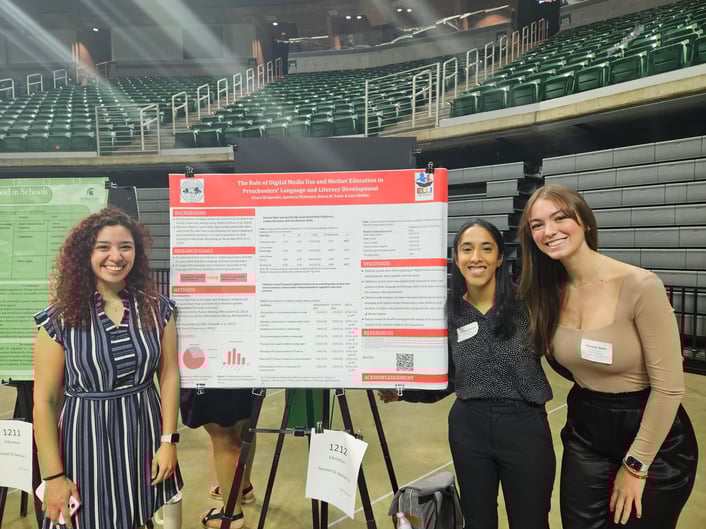
Women with a research poster.