Child Development Laboratory

CDL_HDFS_Beaumont-7697

Overview

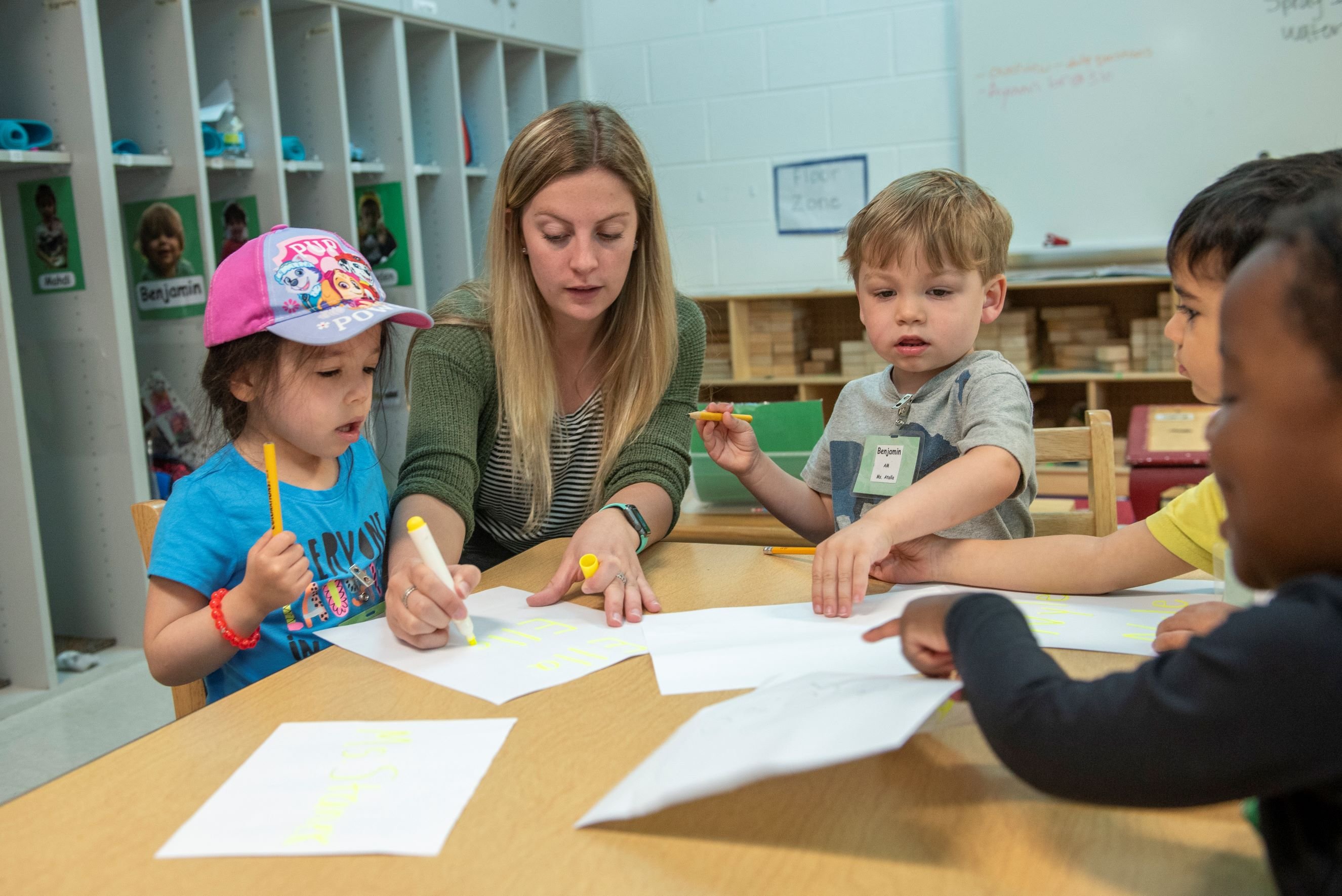
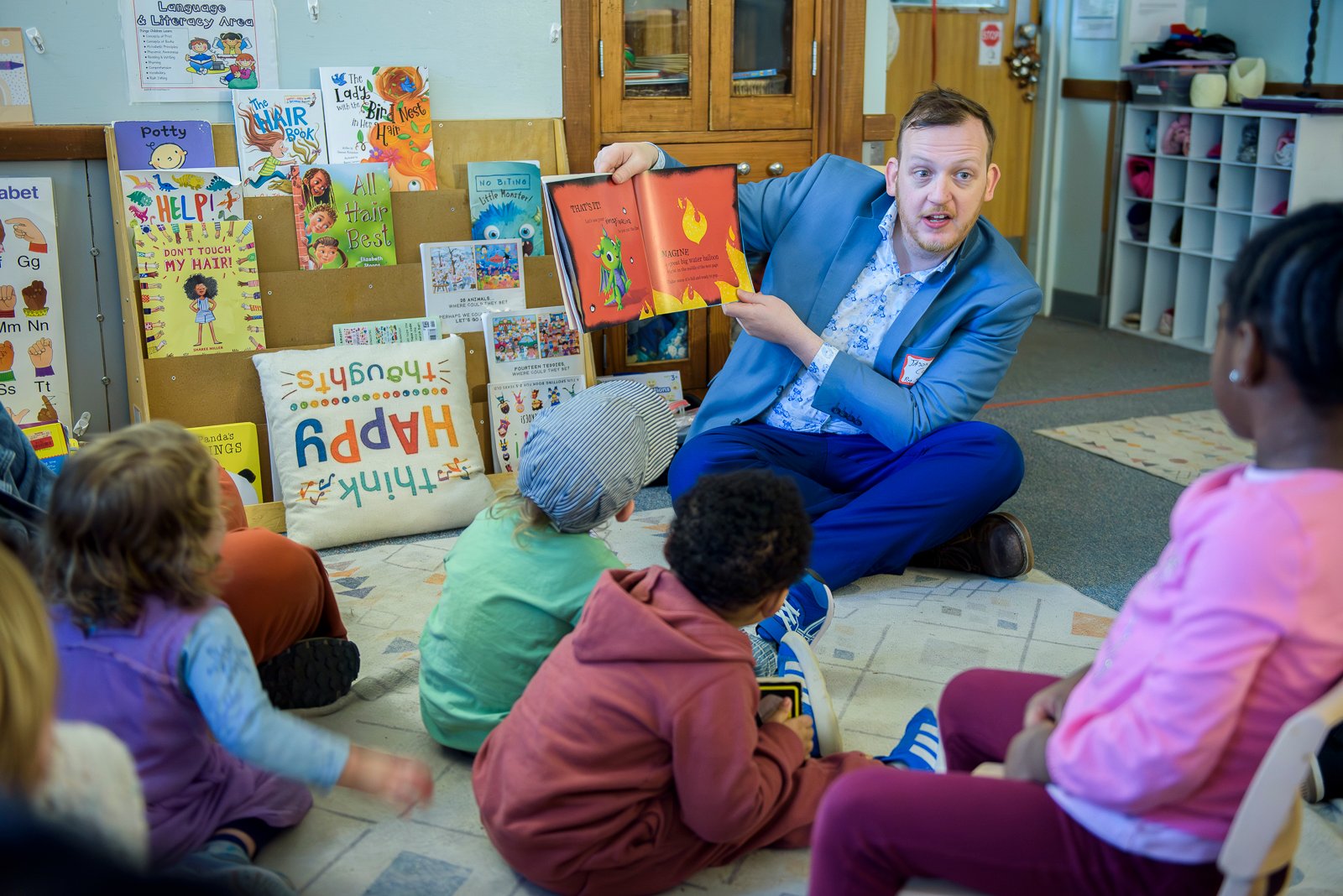
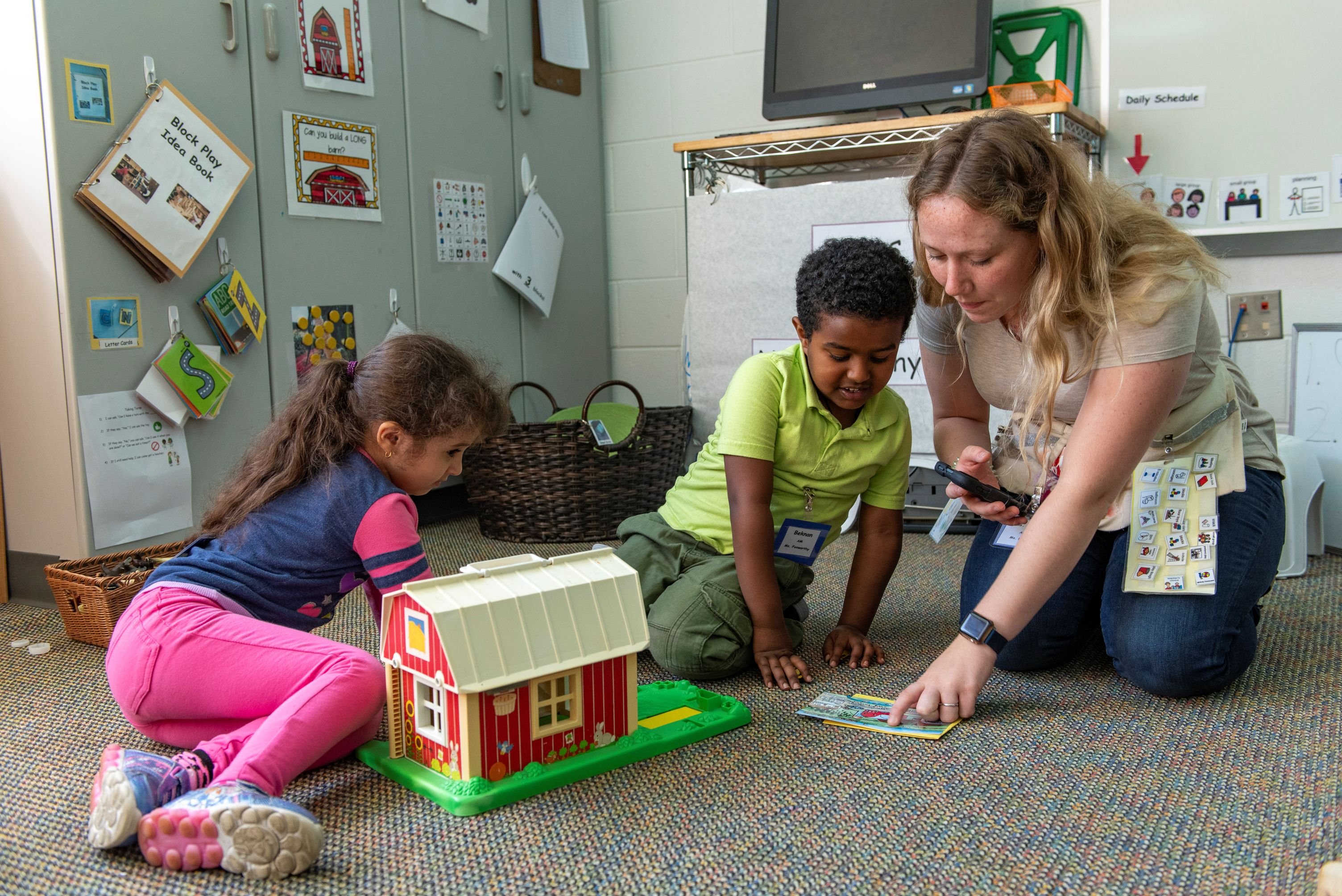
The MSU Child Development Laboratories (CDL) are operated in East Lansing’s Central School and in Haslett at the Wilkshire Early Childhood Center and offers programming to children birth to five years of age using the MSU Children’s Curriculum.

The overall educational purpose of the Child Development Laboratories is to provide a rich and varied educational experience for young children. Our primary aim is to foster development, helping children feel challenged, successful, creative, confident, and capable. We approach learning as an active, exciting process that is balanced among all areas of development.

The CDL works as a partner with the family in the education and socialization of children during their early years. It offers many opportunities for family involvement in a child’s educational experience. Head Teachers at the CDL are master's degree-holding faculty members in the Department of Human Development and Family studies. University students, Head Teachers and families all benefit from these shared activities, learning from one another and working together for the well-being of the children.

The MSU CDL is proud to be a National Association for the Education of Young Children (NAEYC) accredited child care program.

The Educational Programs

As a program we adhere to NAEYC child:teacher ratios. Family members participate in the program through workshops, special events, work parties, and the Family Council. Family members are always welcome to observe their children, and to communicate with the Head Teacher and the Administrators about their children and the program.
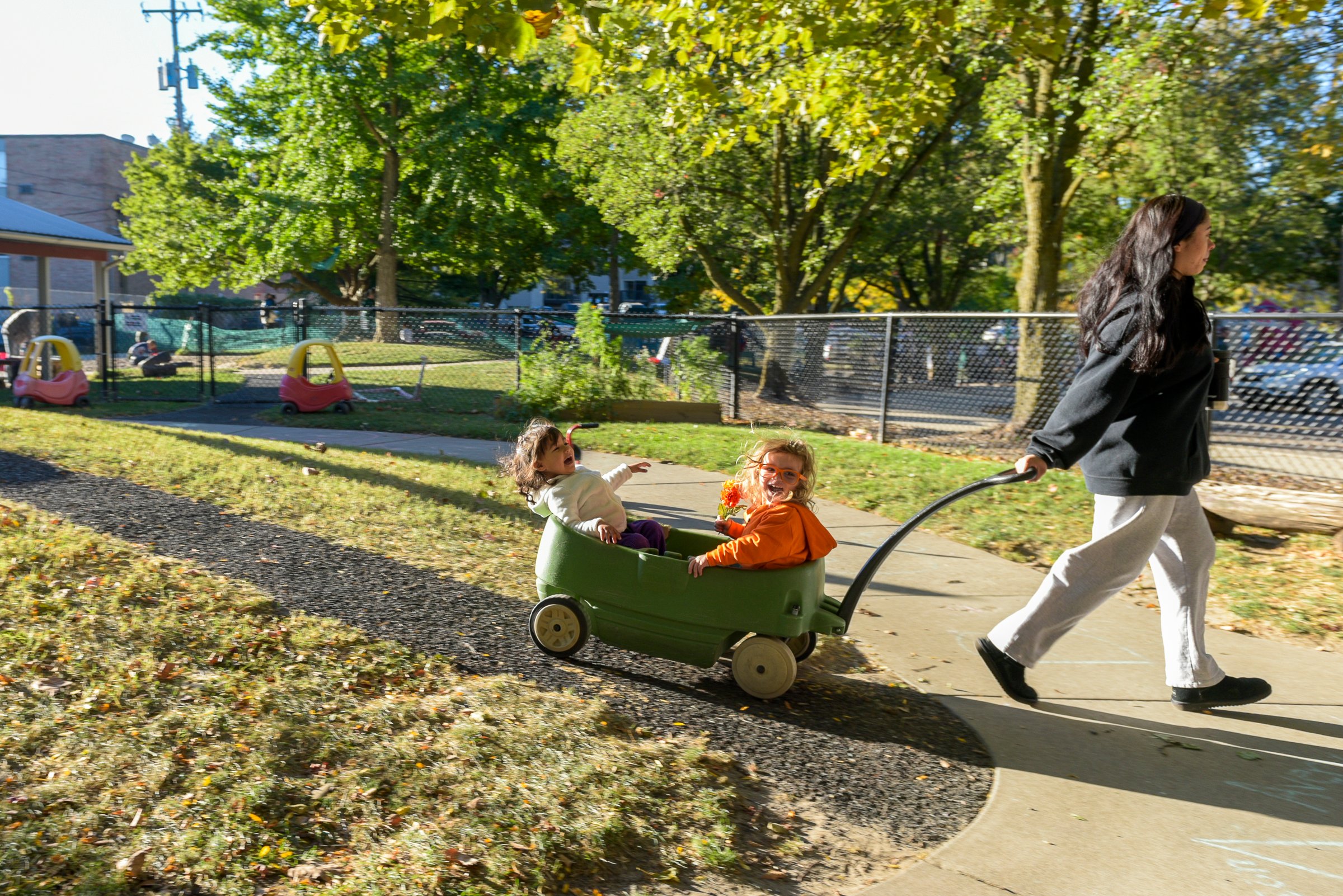
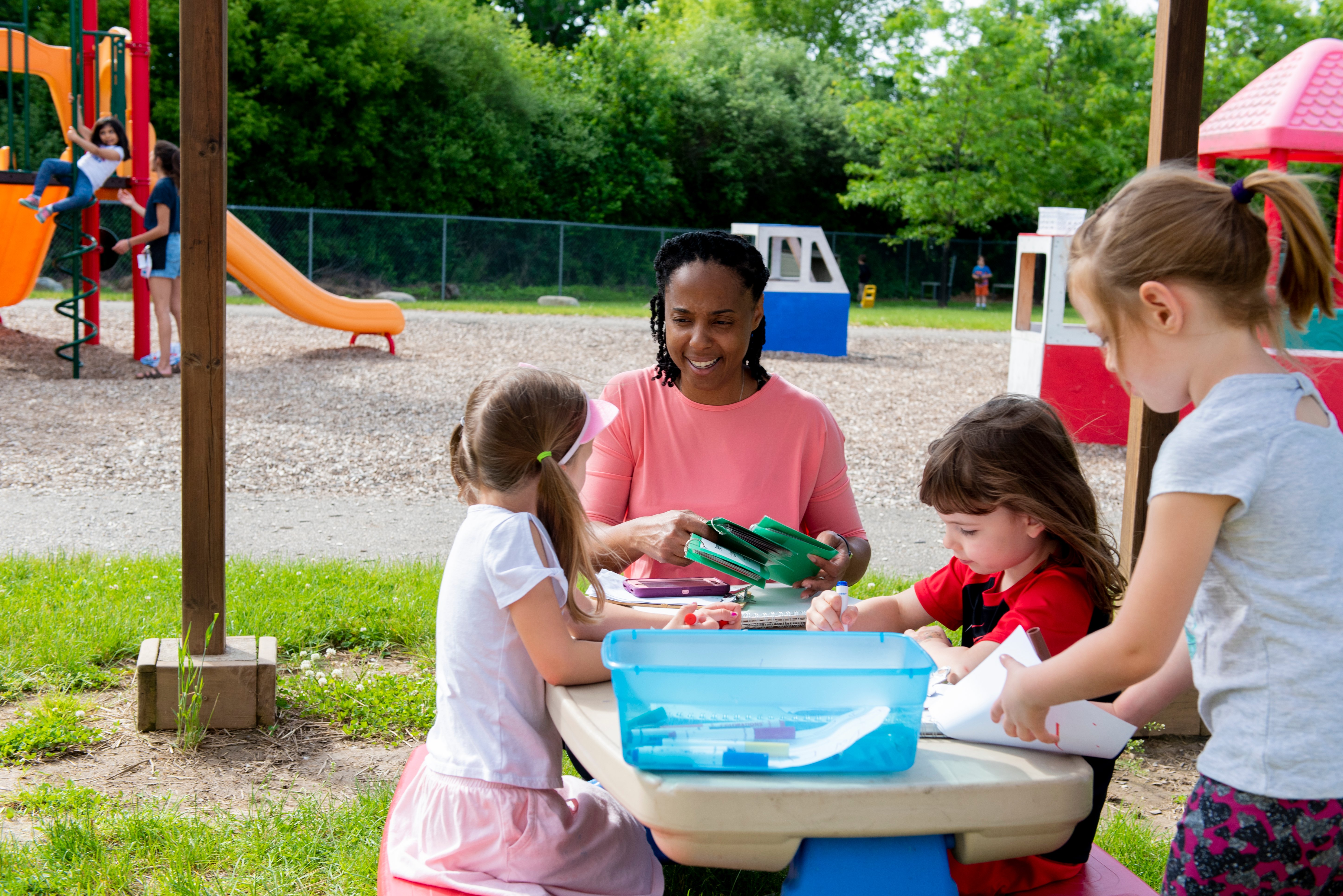
East Lansing Full-Time: A 5-day-a-week program is offered for children, birth through age 5. The program runs year-round.

Haslett 4 Half Days: A 4-day-a-week half day program is offered in the morning and afternoon for 3 hours per session for children who are at least 36 months and older by September 1 of the programming year.  The program operates during the MSU Academic Year and Summer A semester.

Haslett 4 Full Days: A 4-day-a-week, 7-hours a day program is offered for children who are 48 months or older by September 1 of the programming year. The program operates during the MSU Academic Year and Summer A semester.

Interested Families

Interested in having your child join us at the Child Development Laboratories? Start here!

Interested Families Page

Current Families

You'll find information such as our calendar, tuition, the handbook and more.

Current Families Page

Apply and Enroll

Application information for new families and enrollment information for current families all in one place.

Application and Enrollment Page

More About What We Offer

We understand that families play a primary role in a child’s socialization and education. The function of the Child Development Laboratories is to support families in this endeavor. Therefore, families can expect that:

  • We do everything in our power to maintain the health, safety, and well-being of your child(ren) in our care.

  • To protect your children, we release them only to you and other persons you have authorized on your child information card.


  • Any information you share with teachers and staff members is kept in strict confidence unless it is something we are required, by law, to report.

  • The content of each child’s health and safety file is confidential but is immediately available upon request to: Administrators and teaching staff who have consent from a parent or legal guardian to access the record, the child’s parents or legal guardians, regulatory authorities. (NAEYC 10D6)

  • To maintain sensitivity to individual children, we do not discuss children with staff members or parents/guardians in the child’s presence.

  • All children and families are treated with respect regardless of ethnic background, lifestyle, ability, gender, family structure or religion.

  • We strive to enhance the overall development of each child in the program.

  • We engage in a variety of activities to assess children’s progress through the program to develop individual goals for each child.

  • We communicate with you about your child(ren)’s development and progress in the program.

  • We provide opportunities for you to increase your understanding of child development in general and your own child’s development in particular.

  • We proactively assist you in locating appropriate child and family resources available in the community.

  • We consistently implement programs based on sound child development principles and relevant research.

  • We strive to provide a positive learning environment for all children enrolled in the program regardless of ability, special needs or learning style.

  • We follow the NAEYC Code of Ethics, maintaining confidentiality related to all children, families, and staff.

Based on NAEYC’s Position Statement on Responding to Linguistic and Cultural Diversity

Responding to Linguistic and Cultural Diversity Recommendations for Effective Early Childhood Education

The goal of the Child Development Laboratories is to wholly engage all children and families enrolled in our program. With our diverse population, we strive to form reciprocal relationships with families, embracing the cultural variety within our program. The following are ways in which we do this.

  1. The CDL has dedicated its professional development for teachers in the area of Anti-bias Education

  2. Families are provided an Importance of Home form that collects data related to language, culture, communication style, etc. Conversations using this document are meant to initiate an ongoing, reciprocal relationship. Information from the Importance of Home form is used by the classroom teacher to create an inclusive environment.

  3. Each semester staff and student teachers use the Promoting Cultural & Linguistic Competency Self-Assessment Checklist for Personnel Providing Services and Supports In Early Intervention and Early Childhood Settings. Each classroom develops an action plan based upon the results of this assessment. Results are used to enhance environments to reflect children and families enrolled and the local community. Communication style is reviewed along with personal values and biases.

  1. Families are informed of activities and festivals in the greater Lansing area to enhance their understanding of the diversity in the area.

  1. During intake meetings and home visits, staff support families in using their home language with their children.  The benefits of being a multilingual learner are shared with families.

  1. Families are invited to share talents, interests, hobbies and traditions in their child’s classroom.

  2. To connect children with their home culture, books, music, materials, instruments, and pretend play materials are included in each classroom. Families are encouraged to support this through book reading in your home language, sharing culture information, etc.

  1. Staff at the CDL are committed to learning about and experiencing the diverse cultures represented in the greater Lansing area. This happens through strategies such as personal communication and participation in community events.

  1. Teachers attend conferences and stay current on research related to supporting multilingual  learners in their classrooms. Multiple opportunities are developed for children to demonstrate their knowledge of concepts.  Activities developed are concrete, hands on, primary experiences, especially for the younger children.

  1. University students who participate in the Child Development Laboratories have lectures and assignments related to cultural and linguistic diversity and anti-bias curriculum with the expectation that they will practice these skills and dispositions during their time at the CDL.

  1. The CDL welcomes input from families, through informal communication and through annual NAEYC Family Surveys to enhance our program in the area of cultural and linguistic diversity.

Workshops and Classes

We offer educational and informational workshops throughout the year. Topics have included child development, toilet teaching, benefits of a play-based program, kindergarten transitions and behavioral issues.

Special Events

At least twice a year the Child Development Laboratories and the Family Council co-sponsor social events such as a fall picnic and spring ice cream social. Announcements about these special events will be sent out via the CDL listserv.

Families needing special accommodations because of a disability should  notify the office at least one week in advance of an event or meeting so arrangements can be made. Every attempt is made to make all services and activities accessible to everyone.

Couple and Family Clinic

Family support is offered to CDL families through the MSU Couple and Family Clinic. The clinic will charge minimal fees for long-term services. Phone 517-432-2272 for further information. The Couple and Family Clinic respects the uniqueness of individuals, couples, and families. The Couple and Family Clinic is also relational, as they recognize that most problems of individuals, couples, and families develop within relationships.  These relationships may also be affected by various life stressors, for example, challenges presented by work, parenting, communication difficulties, divorce, remarriage, or illness.

Research

A central mission of the Child Development Laboratories is to generate new knowledge regarding child development and early childhood education. Families and children enrolled at the CDL participate in research projects. Each research project is reviewed by the CDL Research Committee in the Department of Human Development and Family Studies and by a university committee to ensure that the rights of children and families are protected and that the research is practical in this setting. The Director of the CDL and CDL Research Committee at the CDL manage the research program. The CDL Research Committee consists of an early childhood faculty in HDFS, the Director of the CDL, Assistant Directors from each site, and Head Teachers from each site. 

  • Families are provided information concerning the purposes of all approved research projects and the names and telephone numbers of the principal investigators responsible for each one.
  • Children have the right to refuse to participate in any project. No penalties, coercion or tricks will be used to gain their involvement.
  • Only competent, closely supervised adults will be permitted to engage in research activities with the children. Per LARA Child Care Licensing regulations, anyone alone with children will have been fingerprinted.
  • Researchers will explain procedures and tasks to children clearly and truthfully. They will answer all questions that the children may have.
  • Researchers will be required to provide families with general information on the results of each study.

    See the full description of the research component of the laboratory in our CDL Handbook.

Student Observation and Participation

All student observers and participants must be sponsored by faculty members in their department. All students in the laboratories must have clearance in the Public Sex Offender Registry (PSOR) prior to entering the CDL. Students or their instructor must submit a written application and receive approval from the Director of the CDL before making any observations or beginning their participation in the CDL. The course observation and participation forms can be found on our student page.  

Adult Volunteers in our Programs

From time to time, interested adults wish to volunteer in our programs. While we welcome volunteers, to protect our children and their privacy, all volunteers, including volunteers who are parents of a child in care are screened using the public sex offender registry for clearance before having any contact with a child in care (Licensing Rule R400.8125 (3)).

All volunteers will be supervised by staff members at all times. They are never left alone with children, with the exception of their own child. Any individual registered on the public sex offender registry (PSOR) is prohibited from having contact with any child in care (Licensing Rule R400.8125 (4)).

Contact

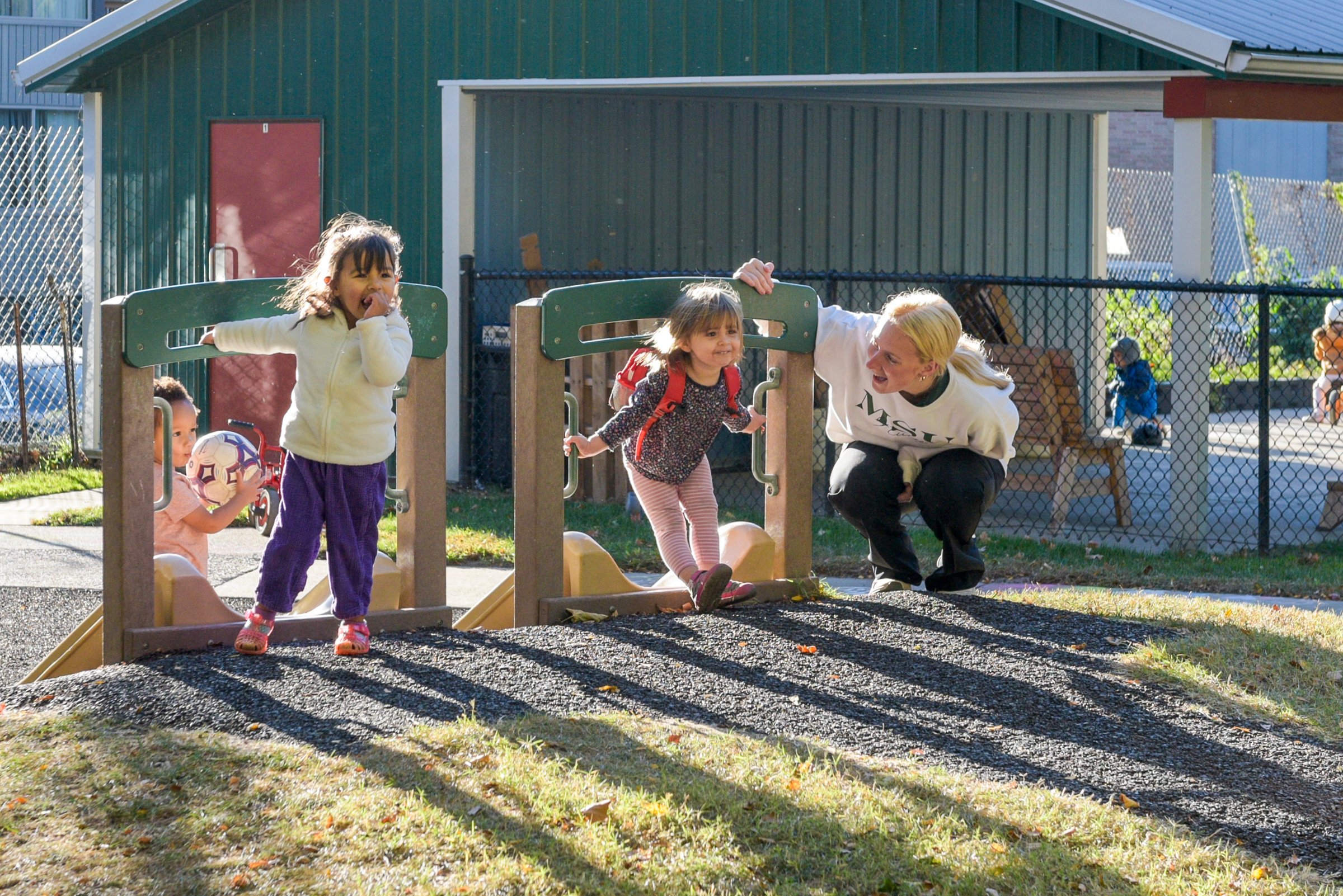
MSU undergrad pushes child on a swing.

For Students

HDFS graduates all agree that the most impactful part of their degree program was the opportunity to work with children at the CDL. Learn more about gaining this impactful classroom experience.

Student Page