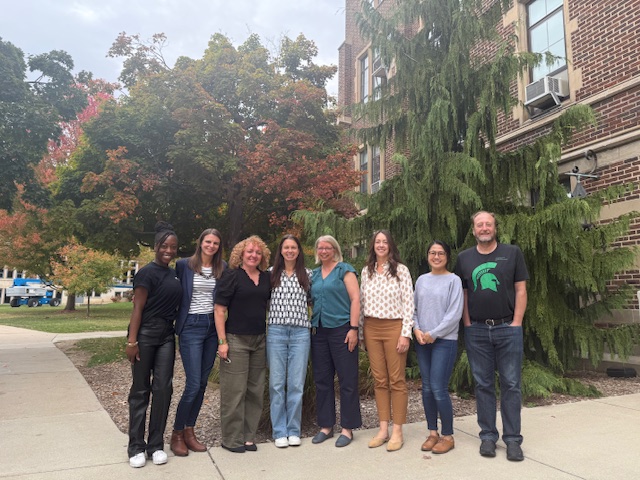
For 35 years, the MSU Couple and Family Therapy Clinic, whose home is the Department of Human Development and Family Studies in the College of Social Science, has been transforming lives, strengthening relationships, and preparing the next generation of couple and family therapists. The Clinic was established in 1991 and grew out of the MSU Couple and Family Therapy Graduate Program that began in 1985. In 35 years, it has become a vital resource for the community and the training of highly skilled couple and family therapists.
Today, the MSU Couple and Family Therapy Clinic provides low-cost therapy services to individuals, couples, and families. Services are delivered by graduate student therapists under the supervision of faculty in the MSU Couple and Family Therapy Ph.D. program. Supervisors are fully licensed marriage and family therapists and certified as Approved Supervisors by the American Association for Marriage and Family Therapy.
During the 35th anniversary, the CFTC has begun a giving campaign that invites people to give $35 to celebrate 35 years.
At the heart of the Clinic’s 35-year legacy are the people who have made its impact possible: the dedicated graduate student therapists and accomplished alumni, faculty, and leaders.
From Learning to Teaching: Melissa Yzaguirre, Alumna
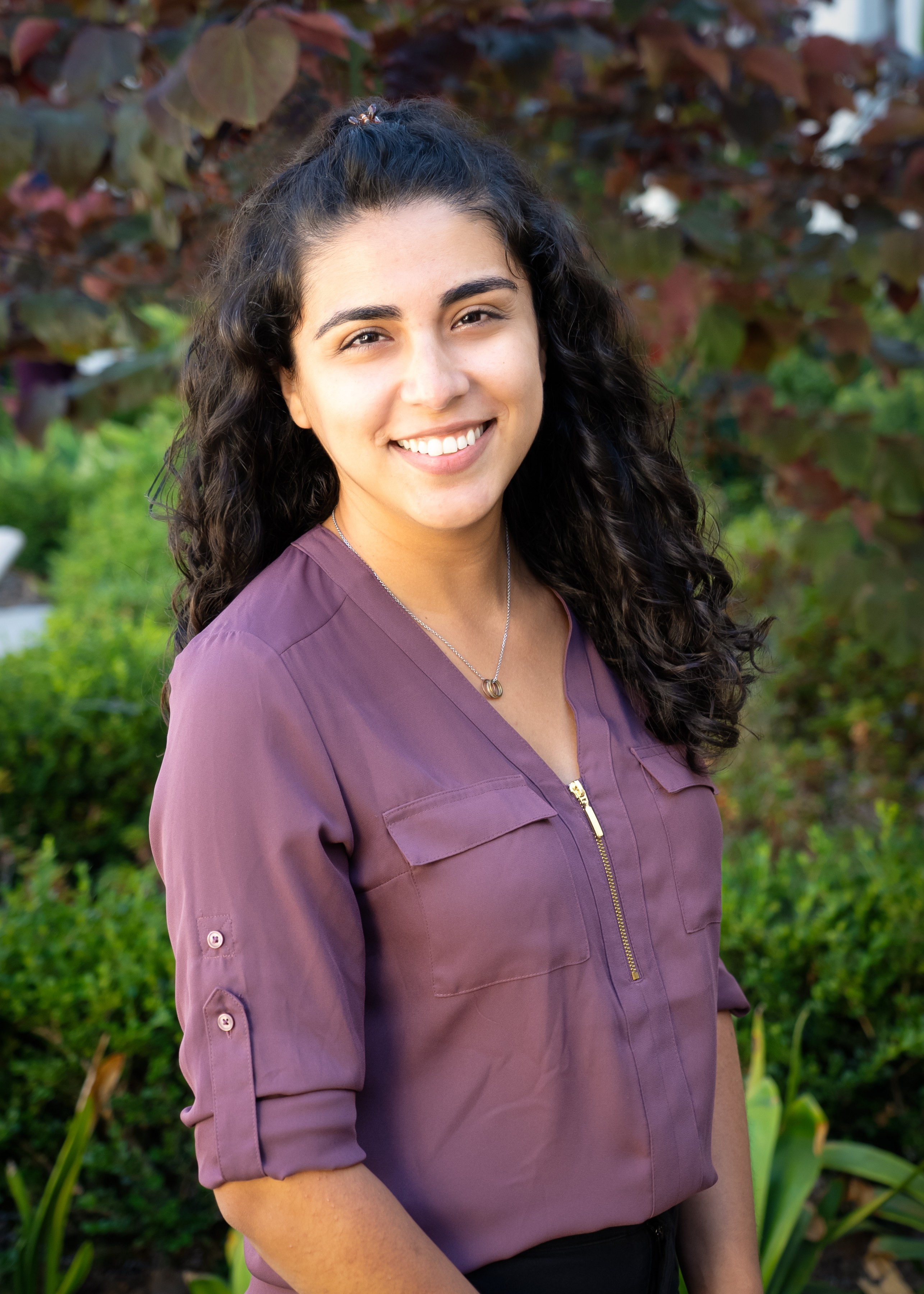
Melissa Yzaguirre, Ph.D., was a student therapist in the clinic from 2018 to 2019 to fulfill her 1,000 clinical hours requirement for her Ph.D. She returned in 2021 as an advanced student therapist, which was a pilot aimed at engaging former CFT students to help manage the increased number of clients the clinic was receiving at the time.
“As CFT students, we wore many hats that prepared us to be future leaders in our field,” Dr. Yzaguirre remembers. “The clinic helped me grow as a therapist in training, as a supervisee, and as a supervisor in training. We worked alongside clinicians from sister disciplines such as social work, which allowed for broader learning opportunities. The culmination of these experiences helped me grow my confidence as an LMFT and sparked my interest in becoming an AAMFT supervisor.”
Her experiences at the clinic help her in her role as an assistant professor in the Marital and Family Therapy program at the University of San Diego.
“As an instructor, I can offer students tangible clinical examples I encountered at the clinic, which tends to resonate with them because it is similar to the stages of their development,” she said. “As a supervisor, I can carry out many of the practices I found useful from my supervisors during my program. Most importantly, I try to model the same respect the faculty showed and the same clear structure they used to guide us across cases.”
When asked about her most meaningful memories, she shared that most of the memories involve helping clients meet their goals and reaching their final session of therapy.
“Specifically, cases that come to mind include clients who would ask for a hug as we concluded our time together,” she reflected. “They would thank me for supporting them, for creating a dedicated space just for them, or for helping them recognize the confidence they had in themselves all along. Each embrace holds deep meaning, and it shows the power we as therapists have to impact someone’s life.”
Creating Opportunities to Communicate and Connect: Ibrahim Luberenga, Current Therapist
Ibrahim Luberenga joined the MSU Couple and Family Therapy Clinic in 2023 and has since completed his required clinical hours. He has returned to the clinic this fall as an advanced student supervisor, where he now supports developing therapists as they strengthen their clinical skills, case conceptualization, and professional identities. He believes the clinic has been an important part of his development as both a clinician and a supervisor.
“Working with clients from different backgrounds and with a wide range of concerns has strengthened my ability to think systemically, remain curious about clients' experiences, and adapt my approach to the needs of each individual, couple, or family,” he said. “The supervision I received also taught me the importance of continually reflecting on my own role in the therapeutic process and being open to feedback and continued learning.”
His current role as an advanced student supervisor has added another dimension to that growth.
“Supporting other therapists requires me not only to think about what might be clinically helpful, but also to understand their reasoning, ask questions that encourage reflection, and help them develop confidence in their own clinical judgment,” he said.
In his work at the clinic, one the most meaningful aspects of his experience has been having the opportunity to accompany clients through difficult periods in their lives and relationships and to witness the changes that can occur through the therapeutic process.
“Working with couples and families has continually reminded me that meaningful change often involves helping people better understand the patterns that shape their relationships and creating opportunities for them to communicate and connect differently,” he shared. “It has been especially rewarding to see clients develop greater understanding of themselves and one another over the course of therapy.”
Luberenga has lived the impact of the clinic, as a place where clients and families receive services and also as a learning community where developing therapists are supported through supervision, collaboration, and reflection.
Finding Her True Passion: Temple Odom, Faculty and Supervisor

Temple Odom, Ph.D., is an AAMFT Approved Supervisor and is one of the clinical supervisors in the MSU Couple and Family Therapy Clinic and a faculty member in the Couple and Family Therapy Ph.D. program.
“This means that I teach the Practicum course at the clinic each semester, which is our version of student teaching where student therapists provide actual therapy to our clients at the clinic,” she explained.
Dr. Odom’s role is to help the student therapists prepare for their sessions and to provide live supervision during the sessions. She meets together with the therapists as a team for an hour to prepare for the evening of live supervision. Then, during live supervision, other therapists are usually observing the session with her to learn lessons they can apply when they provide therapy.
“Sometimes the therapist will take a break in the middle of the session to get feedback from the supervision team and me,” she elaborated. “This process of providing live supervision can feel fairly intense for the student therapist, but after they get used to the process, they appreciate how quickly this teaching method helps them grow in their clinical skills.”
When Dr. Odom became a supervisor, she was a fully licensed therapist and really felt she had identified her professional calling.
“However, the first hour of supervision I provided was a life-changing moment for me,” she remembered. “I had found my true passion. One of the things I love about providing supervision is that I learn as much from the students as they do from me.”
Dr. Odom’s style is collaborative, and she approaches teaching from a strengths-based perspective.
“I’m usually trying to help students find and recognize what they do right in a session rather than focus on what they do wrong,” she said. “The Clinic has been fortunate to attract very dedicated and conscientious student therapists, and so I find that we are all enriched as we work together in this concentrated learning paradigm.”
Dr. Odom is also an alumna of the MSU Couple and Family Therapy Clinic. She began when she was a first-year Ph.D. student in the fall of 2000. Once she completed her doctorate in 2007, she joined HDFS and began teaching undergraduate students. A few years later, she completed her supervisor training and joined the Couple and Family Therapy program as teaching faculty and as a supervisor in the clinic.
“As I reflect, I feel very fortunate to have been able to be a part of this department in such a unique way for the past 26 years!” she said. “I never imagined that this would be the outcome when I stepped onto the MSU campus that first day. It has been a joy to build my career and work with so many amazing students and faculty over the years in the CFT program here at MSU!”
Gaining Career Experience: Colin Hay, Undergraduate Intern
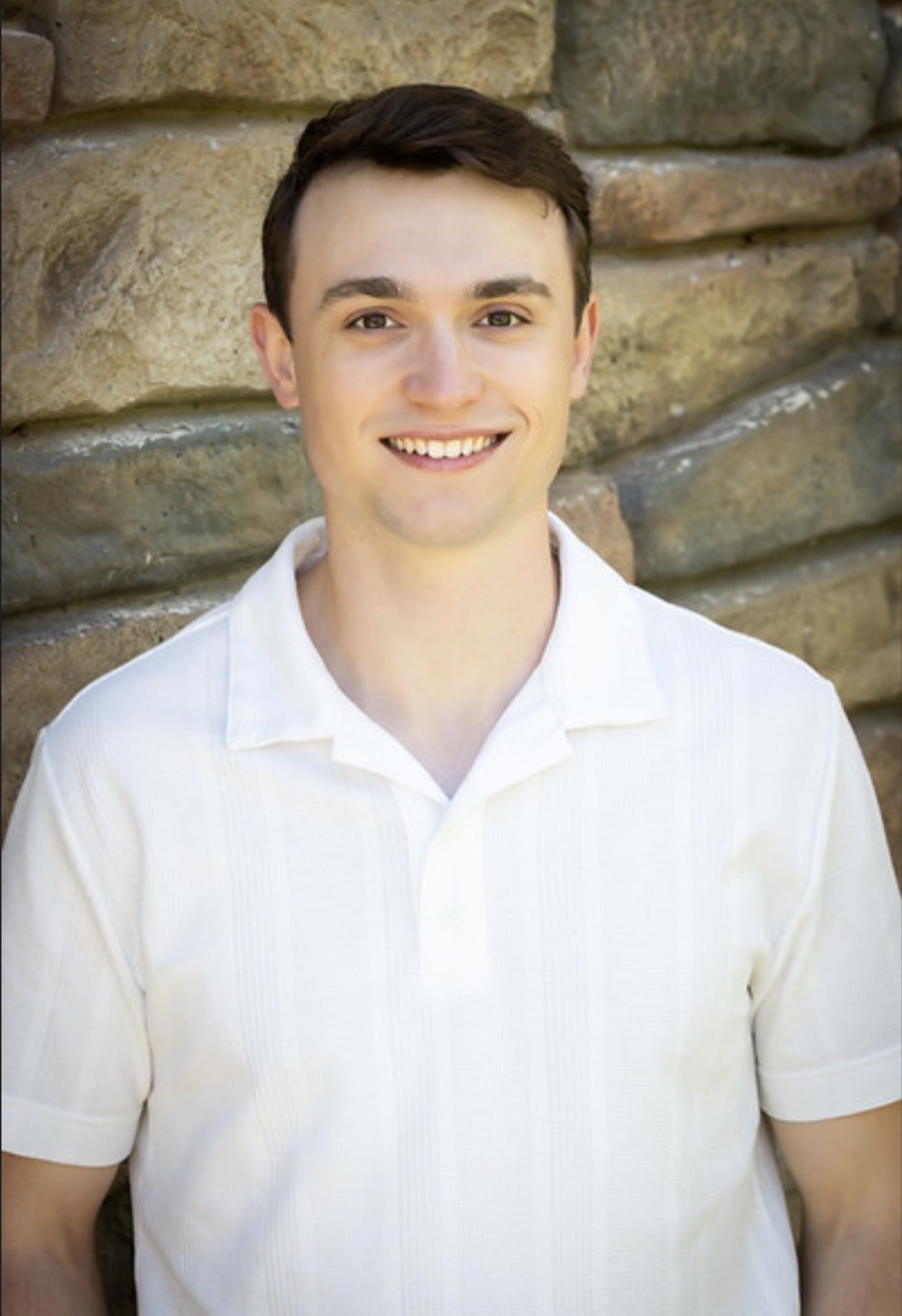
The MSU Couple and Family Therapy Clinic also provides internships for undergraduates who want to explore therapy as a career pathway. Colin Hay interned with the clinic over the summer, and he has returned as a volunteer this fall. He works as a member of the administrative staff and completes client intake phone calls, updates the referral network and assists the student therapists where needed.
“My experience at the CFTC has given me confirmation that becoming a child and family therapist is what I want and am meant to do,” Hay said. “This has been largely achieved through our clinic practicum through which I have gotten to directly observe live sessions and learn the basics of therapy.”
Hay has also worked as a project lead with clinic coordinator Nicholas Yoshida to assess the effectiveness of the clinic’s intake forms and then implement evidence-based tools to improve them. Additionally, as a returning volunteer this fall, he has assisted with the training of the new interns as they learn how to complete their tasks independently.
“My highlight of working at the CFTC has been the many conversations that I've gotten to have with the therapists,” he said. “Ranging from conversations about personal life, to examining therapeutic practices, I found that the environment at the clinic has always been one of growth and welcoming regardless of experience level.”
Looking Back and Looking Forward: Erica Mitchell, Director

Dr. Erica Mitchell became the CFTC director in January 2023. Over the past 3 years, the clinic has consistently served over 200 new clients per year seeking individual, couple, or family therapy services.
"I think what makes the CFTC unique is the accessibility of the services that we offer to the community," Dr. MItchell said. "Specifically, the couple and family therapy services, as these are often difficult to access even with health insurance. Not only does the clinic provide an important service to the community, but the clinic also provides a high-quality training experience for undergraduate students and graduate students preparing to be therapists."
The clinic is funded by the HDFS department and the revenue generated from the session fees paid by clients. Dr. Mitchell hopes the clinic will be able to expand its reach to the community and maintain reasonable wait time for services. During the 35th anniversary, the CFTC has begun a giving campaign in hopes that gifts will help them continue to offer high-quality services. The campaign invites people to give $35 to celebrate 35 years.
"Giving is so important because it allows us to continue to fulfill an incredibly important part of our clinic's mission - to make quality therapy services accessible," Dr. Mitchell said. "A big part of accessibility is being able to offer a sliding fee scale for services that is affordable for families in need. Giving helps us maintain our current fees for service and also provides funding for training for our staff."
To give to the MSU Couple and Family Therapy Clinic, visit https://givingto.msu.edu/causes-to-support/crowdpower/couple-family-therapy-clinic-35.