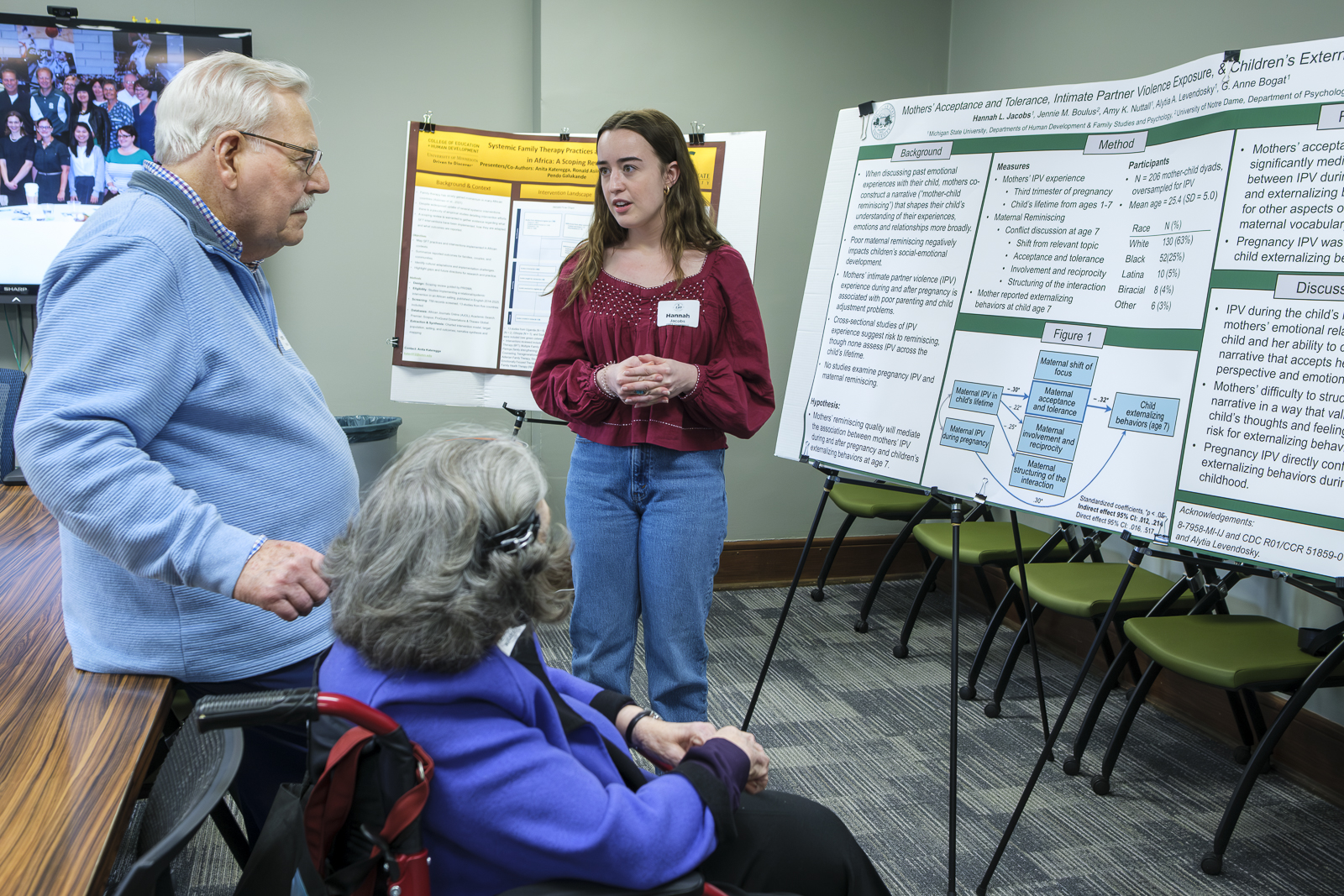
During 2026, Michigan State University Department of Human Development and Family Studies is celebrating its 130th anniversary. At the March 10 anniversary event, 75 alumni, current students, and current and former faculty and staff celebrated the history of HDFS. Visitors had a chance to tour the building, connect with each other and hear from current graduate students sharing poster presentations of their research.
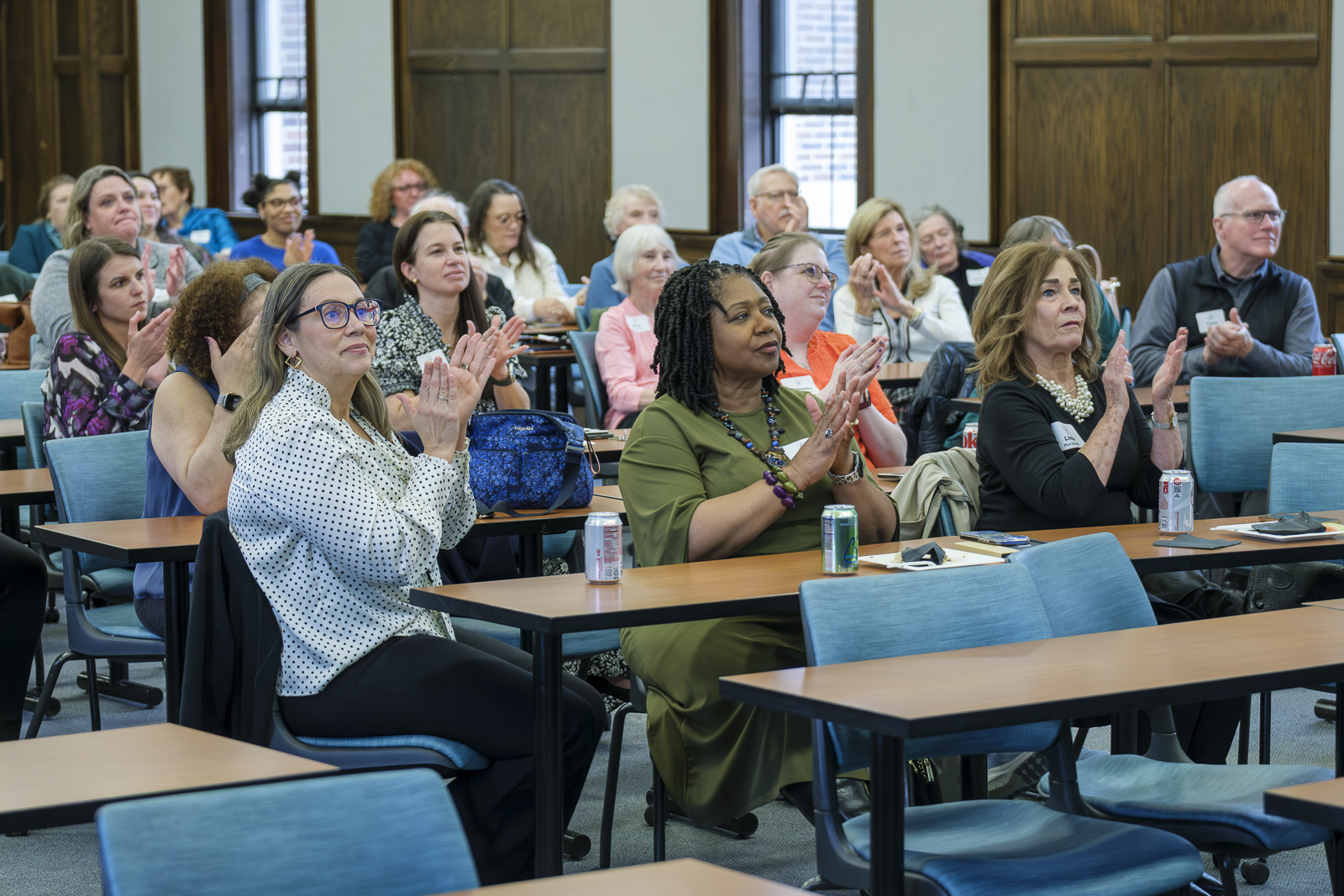
Attendees joined together to hear remarks from current HDFS leaders, alumni and students.
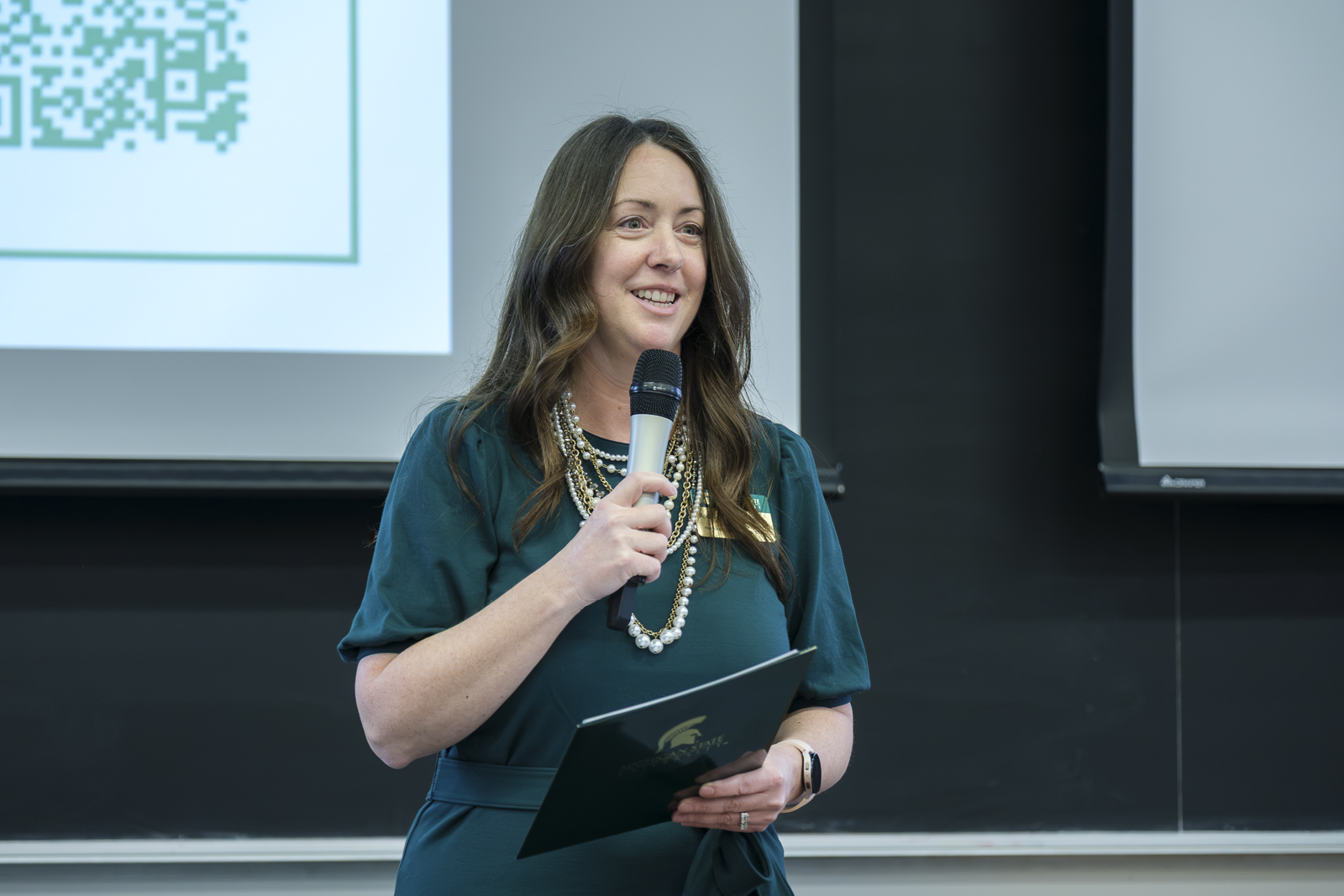
“For 130 years, HDFS has shaped the field through groundbreaking research, inspired generations of students to pursue meaningful careers, and strengthened communities through outreach,” said Dr. Andrea Wittenborn, department chair and professor.
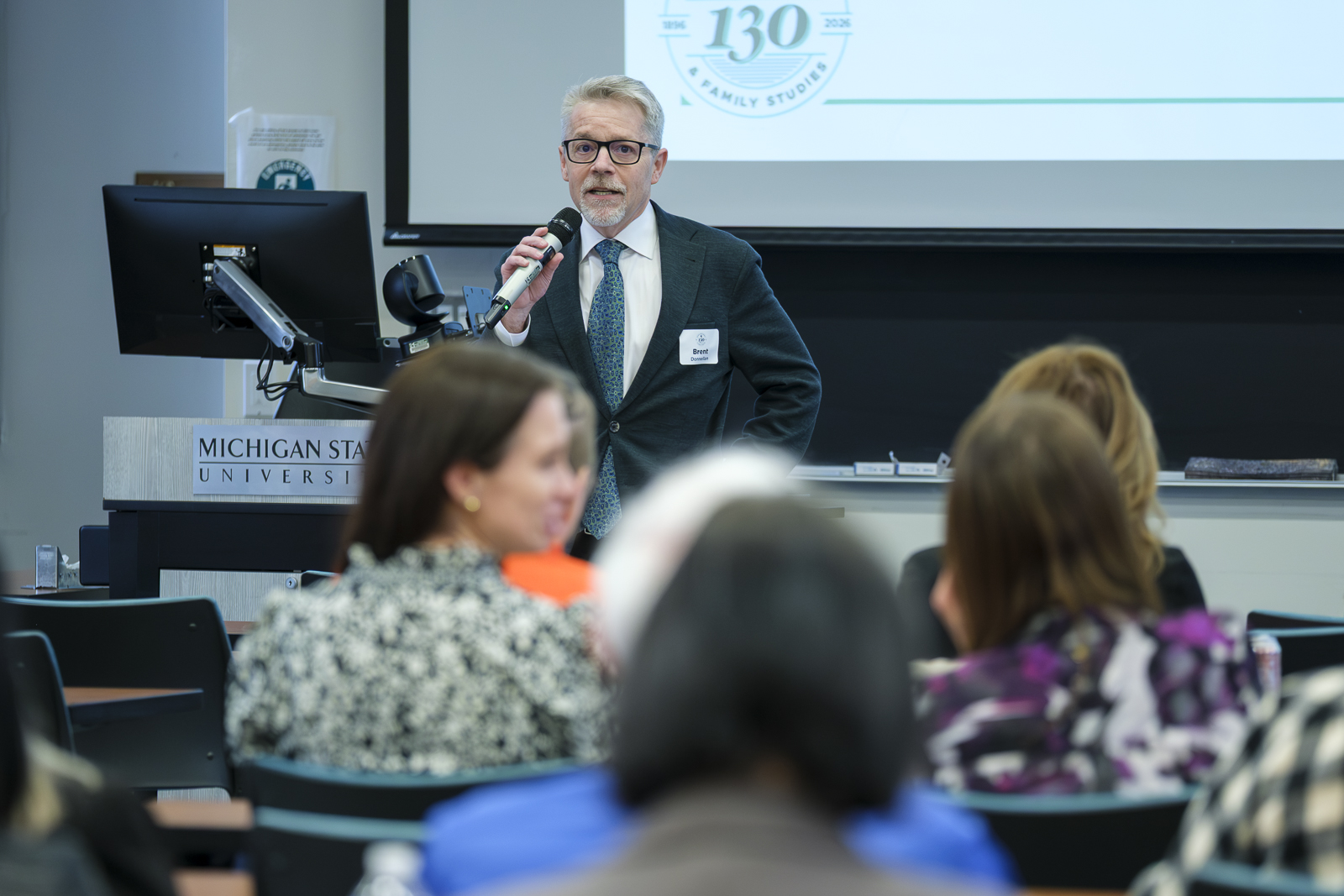
The Dean of the College of Social Science congratulated the department on its 130-year history, global reputation for rigorous science and engaged teaching and translating research into real improvements in people’s lives.
“Scholars in this department have advanced knowledge about how children, families, and communities grow, adapt, and thrive,” Dean Brent Donnellan said. “Students gain hands-on experiences in research and community settings, preparing them to lead in education, health, government, and community-based social services.”
Anissa Eddie, Ph.D. reflected on her doctoral journey and community at HDFS. Dr. Eddie was a social worker for a number of years and once she began working in early childhood, she knew this age group was her calling. She worked in direct practice for a while, but she kept seeing larger patterns. Systems and policy change became compelling to her because that’s where the root causes are. She graduated spring 2025 with her doctorate in HDFS.
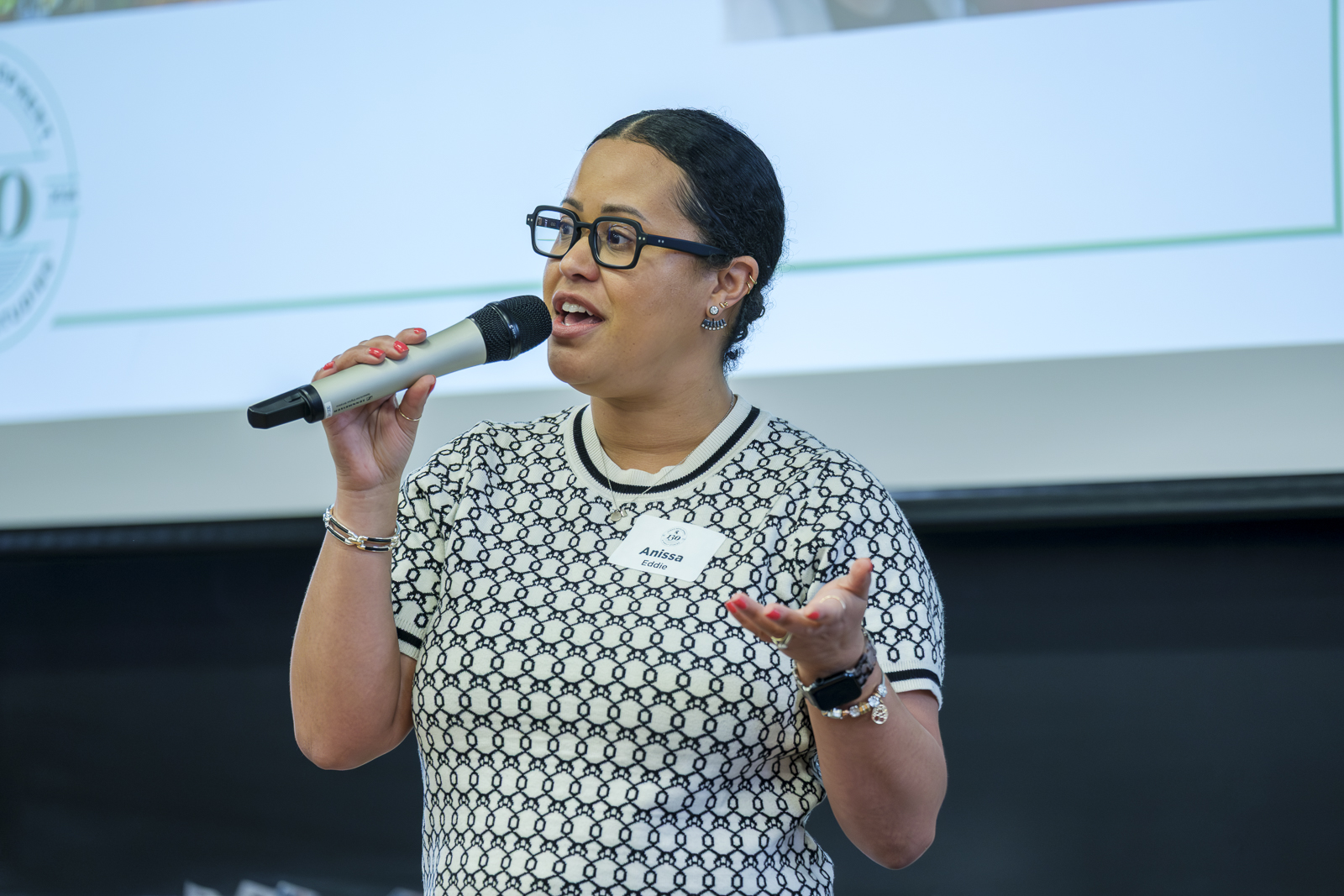
“I have had so much support from this department to be able to complete this degree and to be able to complete it in a five-year time frame – part of that time being during the pandemic. You couldn’t be in a better department that considered the holistic needs of people,” Dr. Eddie said.
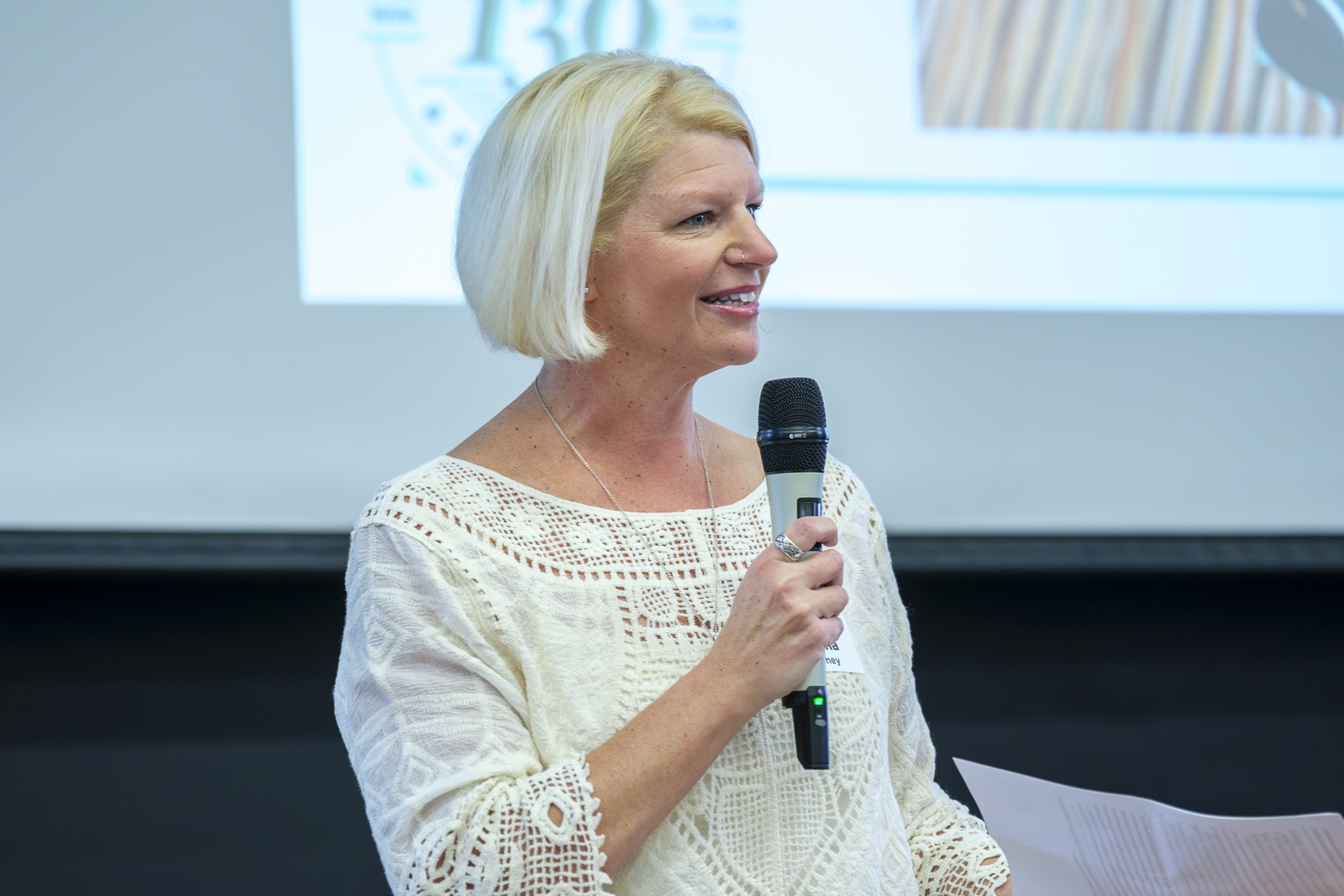
Dr. Tianna Rooney, HDFS alumna, spoke about the collective thread that unites them all.
“I know I’m in good company in this room: we’re compassionate, and we put this energy into action that brings change for individuals, families and communities,” Dr. Rooney said. “We’re a group that embraces systems perspective, and we feel that to our core – that the whole is greater than the sum of its parts. I learned that in undergrad, and I can remember the moment that made sense to me in how the world should look at things.”
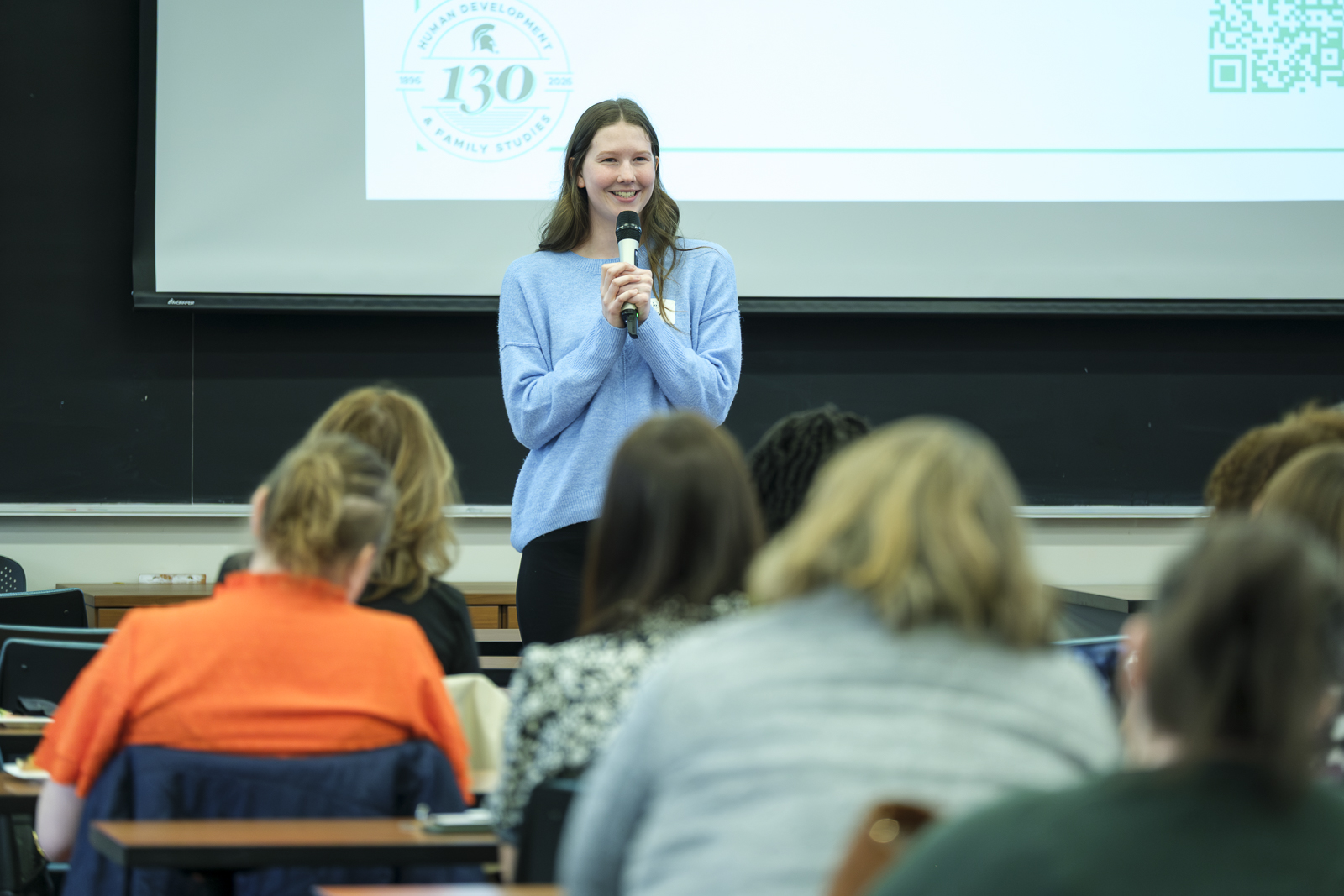
Two undergraduate students had a chance to speak about their current experiences in HDFS.
“The professors, my fellow students, the advisors, and every person who I have had the opportunity to interact with within the department have been empathetic, supportive and truly wonderful,” said Mary Culp, HDFS major. “Through this major, I have gained knowledge and hands-on experience in the field I cannot wait to join. With this major I’ve been able to combine my love of helping families and helping children, which is something I always strive for.”
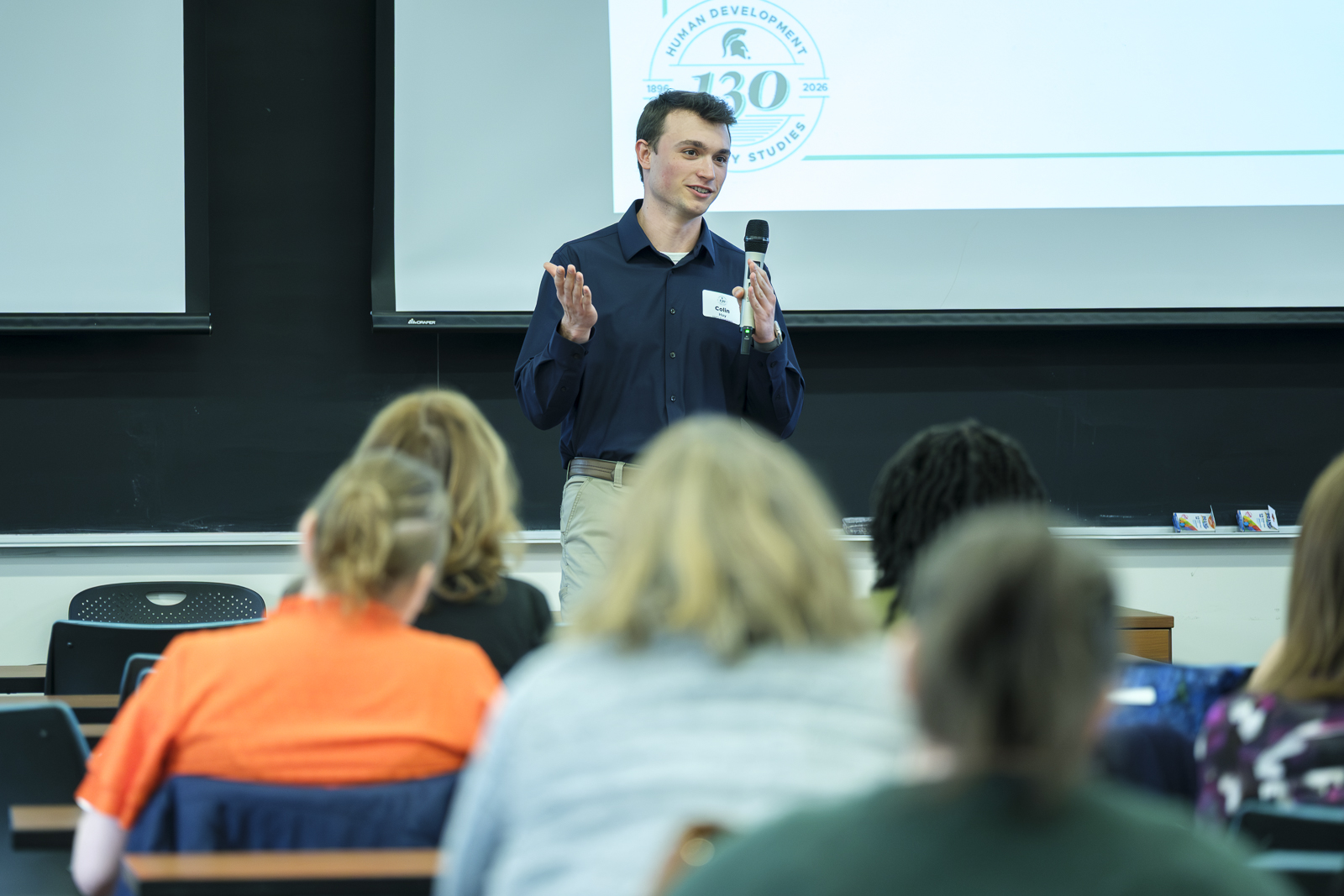
Senior Colin Hay reflected on his time in HDFS and his takeaways from his experiences.
“As I move forward into the next chapter of my life, I know that the knowledge I’ve gained in the HDFS program will help guide me in my career,” he said. “But just as importantly, the relationships I’ve built and the experiences I’ve had in this department will stay with me long after graduation. They’ve shaped not only what I want to do, but how I see and understand the people and the world around me.”
HDFS History Highlights
In 1895, the State Board of Agriculture recommended “That a Ladies Course be Organized.” In 1896 the first women at Michigan Agricultural College (MSU) enrolled in the “women’s course” called Domestic Economy taught by Edith McDermott, professor of domestic economy and household science.
In 1899, the Michigan legislature appropriated $895,000 for a new building on campus for women that would become Morrill Hall. In 1900, Morrill Hall was the first residential college and it housed 120 women students. In 1908, the women’s course became known as home economics and Maude Gilchrist was named the first dean.
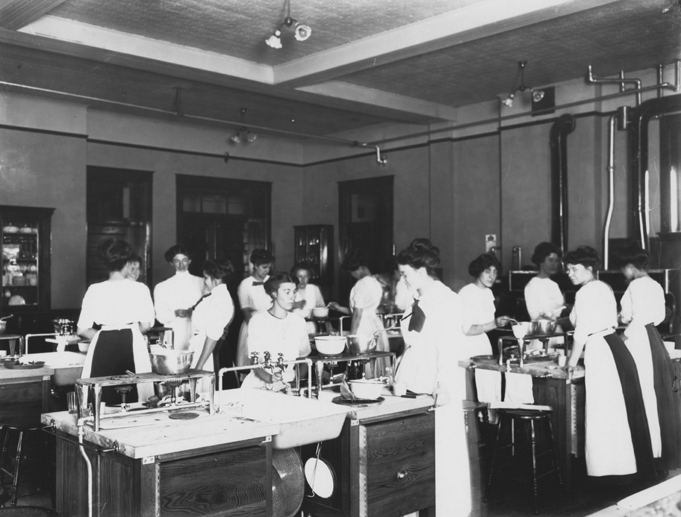
By the 1920s, the program included child development, education, food and nutrition, home management and clothing and textiles. The Home Economics building opened in 1924 that is today’s current Human Ecology building where the anniversary celebration took place. In 1956, the School of Home Economics became the college of Home Economics.
In 1970, the college changed its name to the College of Human Ecology, which signaled the new focus on the study of the interaction of humans with their environments.
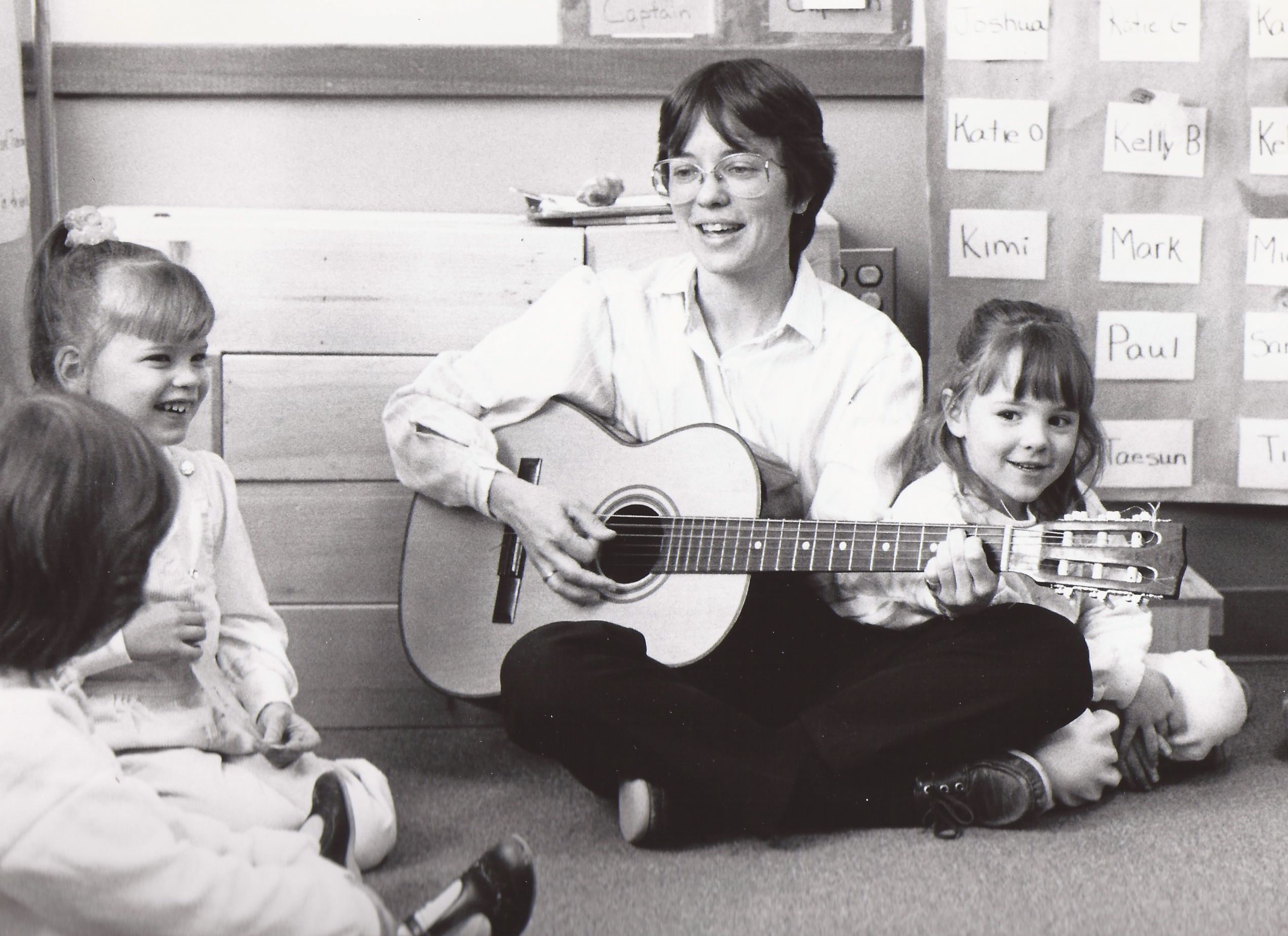
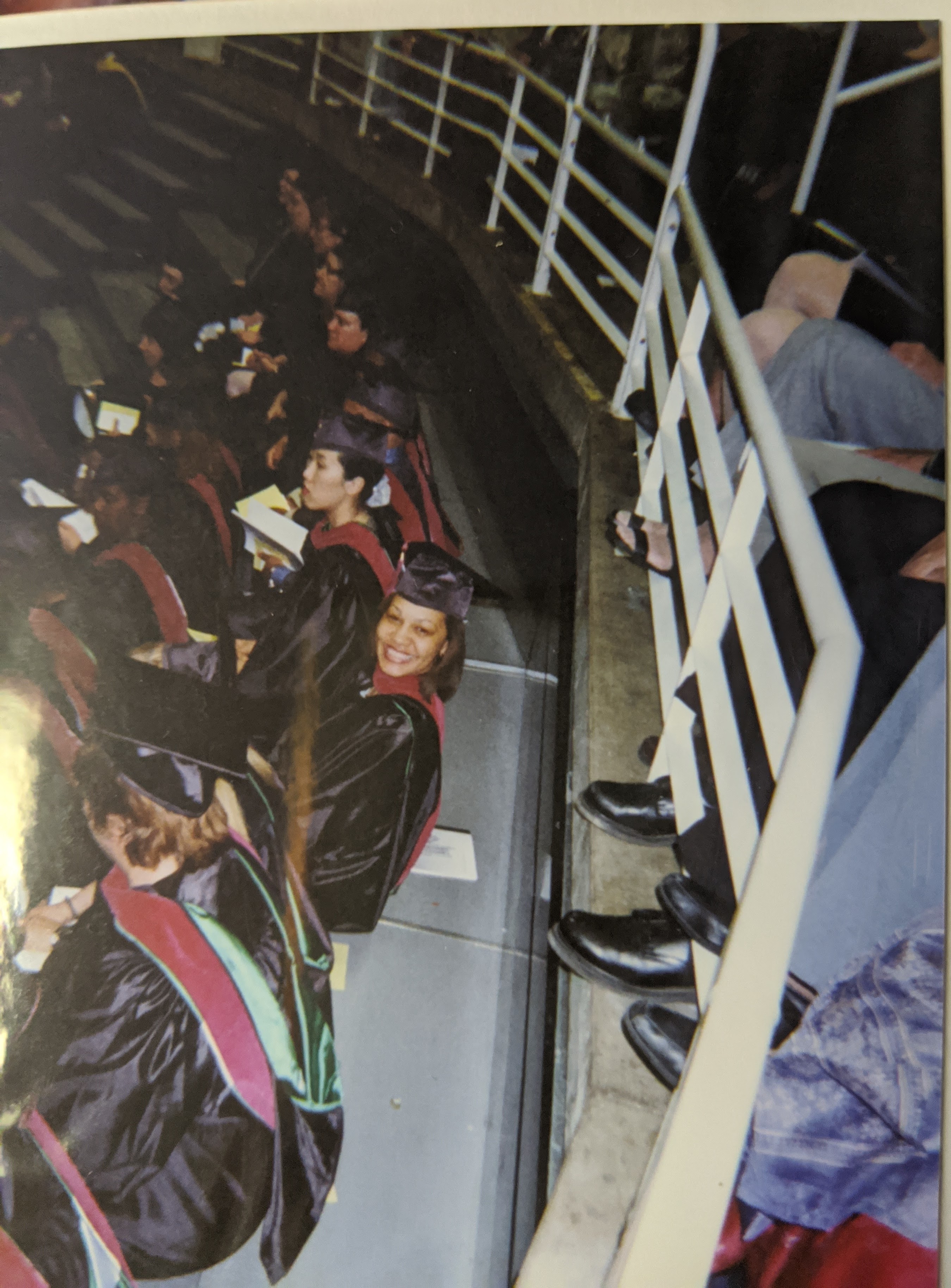
“When I came in 1989 it was called the college of human ecology,” said Venetta Tucker, who graduated with her Bachelor of Community Services and Master of Arts in Family Studies in 1994 and 2001 respectively. “I loved the courses that I took at the time. I was very good with family type studies. I loved the building and going to the classes. It gave such a feel of intelligence, confidence and awareness of how we matter in the world.”
In 2005, the College of Human Ecology underwent its reorganization to the Department of Human Development and Family Studies, its structure that continues today.
For a more detailed history, read the history webpage by On the Banks of the Red Cedar.
“When I reflect on our history and these ideas – the power of higher education, purpose, opportunity, and equity – I feel an incredible sense of pride in what this community has accomplished,” Dr. Wittenborn said.
While 2026 marks the 130th anniversary of HDFS, it also marks the 35th anniversary of the MSU Couple and Family Therapy Clinic (CFTC), a celebration that will take place in the fall. In 2027, the MSU Child Development Laboratories (CDL) will celebrate 100 years.
To celebrate the history and the continued impact that HDFS, CFTC and CDL have on research, teaching and outreach, consider giving opportunities on our HDFS giving page.
By Katie Frey